

Hey there! As a supplier of phenolic parts, I've seen firsthand the wide variety of these products out there. Phenolic parts are super versatile and used in tons of different industries. In this blog, I'm gonna break down the different types of phenolic parts you might come across.
Phenolic Boards
One of the most common types of phenolic parts is the phenolic board. Phenolic boards are made by impregnating layers of paper or fabric with phenolic resin and then compressing them under high heat and pressure. This process creates a strong, durable material that has excellent electrical insulation properties.
Phenolic boards come in different thicknesses. For example, Phenolic Board 18mm is a popular choice for many applications. It's thick enough to provide good structural support while still being relatively lightweight. These boards are often used in electrical panels, switchgear, and other electrical equipment where insulation is crucial.
They're also resistant to moisture, chemicals, and heat, which makes them suitable for use in harsh environments. You'll find phenolic boards in industrial settings, like factories and manufacturing plants, as well as in some consumer products.
Phenolic Rods
Another type of phenolic part is the phenolic rod. Phenolic rods are cylindrical in shape and are also made from phenolic resin and a reinforcing material, usually paper or fabric. Just like the boards, they have great electrical insulation properties.
Black Phenolic Rod is a well - known variant. The black color is often due to the type of resin or additives used during the manufacturing process. These rods are used in a variety of applications, such as in the production of insulators for electrical wiring, bushings, and spacers.
Phenolic rods can be machined easily, which means they can be cut, drilled, and shaped to fit specific requirements. This makes them a favorite among engineers and manufacturers who need custom - made parts for their projects.
Phenolic Tubes
Phenolic tubes are similar to rods but have a hollow center. They're used in applications where you need a lightweight yet strong and insulating structure. For example, they can be used as sleeves for electrical cables to protect them from damage and provide insulation.
The manufacturing process for phenolic tubes is similar to that of rods and boards. They're made by wrapping layers of resin - impregnated material around a mandrel and then curing it under heat and pressure. Phenolic tubes can be found in the aerospace industry, where weight is a critical factor, as well as in some automotive applications.
Phenolic Gears and Bearings
Phenolic parts are also used to make gears and bearings. Phenolic gears are known for their quiet operation and low friction. They can be used in applications where noise reduction is important, such as in some consumer electronics and small appliances.
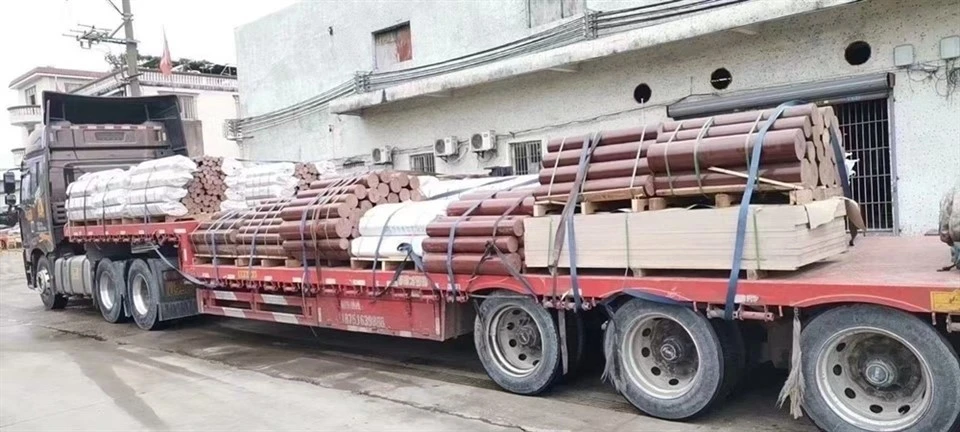

Phenolic bearings have good wear resistance and can operate without the need for lubrication in some cases. This makes them suitable for use in environments where lubrication is difficult or not desirable, like in food processing equipment.
The material's self - lubricating properties and ability to withstand moderate loads make phenolic gears and bearings a cost - effective alternative to metal parts in certain applications.
Phenolic Washers and Inserts
Phenolic washers are thin, flat discs that are used to distribute the load of a fastener, such as a bolt or a nut. They can also provide insulation between different components. These washers are often used in electrical applications to prevent electrical shorts.
Phenolic inserts are used to reinforce holes in materials or to provide a threaded connection. They're commonly used in plastic or composite parts to add strength and durability.
Both washers and inserts are relatively small but play an important role in many different products and assemblies.
Applications in Different Industries
The different types of phenolic parts are used in a wide range of industries. In the electrical industry, as I've mentioned before, phenolic boards, rods, and tubes are used for insulation purposes. They help prevent electrical shocks and ensure the safe operation of electrical equipment.
In the automotive industry, phenolic parts can be found in various components, such as brake systems, where their heat resistance and mechanical strength are valuable. They're also used in interior parts for their noise - reducing properties.
The aerospace industry uses phenolic parts because of their lightweight and high - strength characteristics. They can be found in aircraft interiors, control systems, and other critical components.
In the consumer goods industry, phenolic parts are used in everything from kitchen appliances to power tools. Their durability and resistance to wear and tear make them a great choice for products that are used on a daily basis.
Why Choose Our Phenolic Parts
As a supplier of Phenolic Parts, we take pride in offering high - quality products. We use the latest manufacturing techniques to ensure that our parts meet the highest standards of quality and performance.
Our phenolic parts are made from the best materials available, which means they're reliable and long - lasting. We also offer a wide range of customization options, so you can get the exact parts you need for your specific application.
Whether you're looking for a standard phenolic board or a custom - made phenolic gear, we've got you covered. Our team of experts is always ready to help you choose the right parts and answer any questions you might have.
Contact Us for Procurement
If you're interested in purchasing phenolic parts, we'd love to hear from you. Whether you're a small business looking for a few parts or a large corporation in need of a bulk order, we can work with you. Just reach out to us, and we'll start the procurement process. Let's work together to get you the phenolic parts you need for your projects.
References
- "Handbook of Plastics, Elastomers, and Composites" by Charles A. Harper
- "Plastic Materials" by John A. Brydson