

As a seasoned supplier of PP Parts, I've witnessed firsthand the critical importance of durability in these products. Polypropylene (PP) parts are widely used across various industries due to their excellent chemical resistance, low density, and good mechanical properties. However, enhancing their durability can significantly improve their performance and lifespan, leading to greater customer satisfaction and cost - effectiveness. In this blog, I'll share some practical strategies on how to increase the durability of PP Parts.

Material Selection
The foundation of durable PP Parts starts with the right material selection. Not all polypropylene resins are created equal. When choosing a resin for your parts, consider factors such as melt flow rate, molecular weight, and the presence of additives.
A resin with an appropriate melt flow rate is crucial. A lower melt flow rate generally indicates a higher molecular weight, which often translates to better mechanical properties and increased durability. High - molecular - weight polypropylene has longer polymer chains, which can withstand more stress and strain without breaking.
Additives can also play a vital role in enhancing durability. For example, UV stabilizers can protect PP Parts from the harmful effects of sunlight, preventing them from becoming brittle and cracking over time. Antioxidants can slow down the oxidation process, which can degrade the polymer and reduce its strength. By carefully selecting a resin with the right combination of additives, you can significantly extend the lifespan of your PP Parts.
Design Optimization
The design of PP Parts has a profound impact on their durability. A well - designed part can distribute stress evenly, reducing the likelihood of failure. Here are some design principles to keep in mind:
- Wall Thickness: Maintain a uniform wall thickness throughout the part. Uneven wall thickness can lead to stress concentrations, which are potential failure points. If different wall thicknesses are necessary, use gradual transitions to minimize stress concentrations.
- Ribs and Gussets: Incorporate ribs and gussets into the design to increase the part's stiffness and strength. These structural features can help distribute loads more evenly and prevent deformation under stress.
- Fillets and Radii: Use fillets and radii at corners and edges. Sharp corners can create stress concentrations, while rounded corners can reduce stress and improve the part's resistance to cracking.
Manufacturing Process Control
The manufacturing process is another critical factor in determining the durability of PP Parts. Precise process control can ensure that the parts are produced with consistent quality and optimal properties.
- Injection Molding: If your PP Parts are produced through injection molding, pay close attention to process parameters such as temperature, pressure, and cooling time. The melting temperature should be carefully controlled to ensure that the resin is fully melted and flowing properly, but not overheated, which can degrade the polymer. Adequate pressure is necessary to fill the mold cavity completely, but excessive pressure can cause flash and internal stresses. Proper cooling time is essential to allow the part to solidify evenly and develop its final shape and properties.
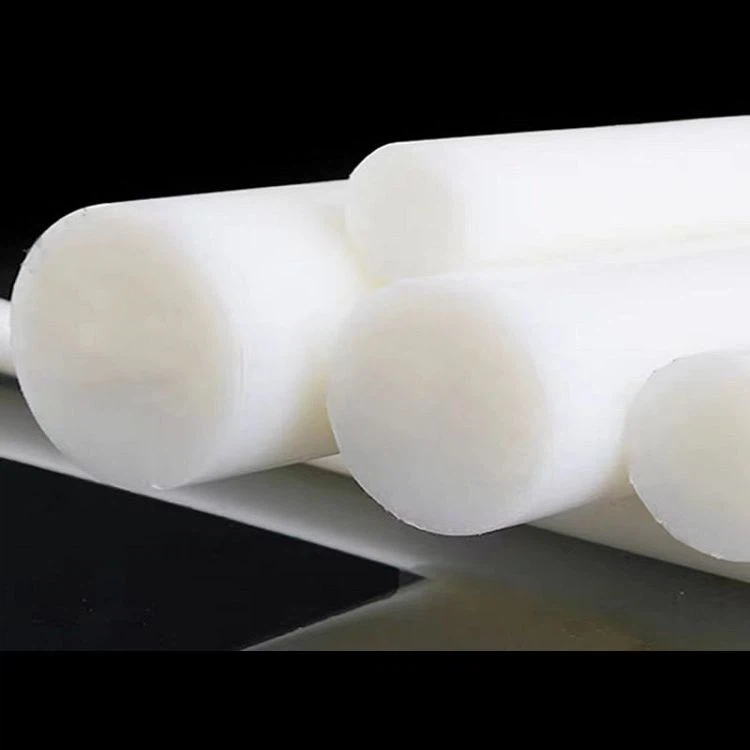
- Extrusion: For parts produced by extrusion, such as PP Plastic Rod and PP Plastic Board, control the extrusion speed, temperature, and die design. A consistent extrusion speed can ensure a uniform cross - section and density of the product. The die design should be optimized to produce parts with the desired shape and dimensions, while minimizing internal stresses.
Surface Treatment
Surface treatment can enhance the durability of PP Parts in several ways. It can improve the part's resistance to wear, corrosion, and chemical attack.
- Coating: Applying a protective coating to the surface of the PP Part can provide an additional layer of protection. For example, a scratch - resistant coating can prevent the part from being damaged during handling and use. A chemical - resistant coating can protect the part from exposure to harsh chemicals.
- Surface Texturing: Surface texturing can increase the part's grip and reduce the likelihood of slipping. It can also improve the part's resistance to wear by distributing the contact forces more evenly.
Quality Assurance
Implementing a comprehensive quality assurance program is essential to ensure the durability of PP Parts. This program should include inspection and testing at various stages of the production process.
- In - process Inspection: Conduct regular inspections during the manufacturing process to detect any defects or deviations from the specifications. This can help identify and correct problems early, preventing the production of defective parts.
- Final Testing: Perform final testing on the finished parts to verify their mechanical properties, such as tensile strength, impact resistance, and hardness. Testing can also be done to evaluate the part's performance under specific environmental conditions, such as temperature, humidity, and chemical exposure.
Maintenance and Usage Guidelines
Providing customers with proper maintenance and usage guidelines can also contribute to the durability of PP Parts. Educate customers on how to handle, clean, and store the parts to prevent damage.
- Handling: Instruct customers to handle the parts with care, avoiding excessive force or impact. Provide guidelines on the proper way to lift and move the parts to prevent bending or cracking.
- Cleaning: Recommend appropriate cleaning methods and cleaning agents for the PP Parts. Harsh chemicals or abrasive cleaners can damage the parts, so it's important to use mild, non - abrasive cleaners.
- Storage: Advise customers on the proper storage conditions for the parts. Store the parts in a cool, dry place away from direct sunlight and sources of heat to prevent degradation.
In conclusion, increasing the durability of PP Parts requires a comprehensive approach that encompasses material selection, design optimization, manufacturing process control, surface treatment, quality assurance, and providing maintenance and usage guidelines. By implementing these strategies, you can produce high - quality, durable PP Parts that meet the needs of your customers.
If you're in the market for high - quality and durable PP Parts, I invite you to reach out for a procurement discussion. We're committed to providing the best solutions for your specific requirements.
References
- "Polypropylene: Structure, Blends and Composites" by A. Ajji
- "Plastic Product Design" by David V. Rosato, Dominick V. Rosato, and Ronald A. Bordereau