

In the dynamic landscape of the electronics industry, the demand for high - performance, reliable, and cost - effective components is ever - growing. Polypropylene (PP) parts have emerged as a key player in meeting these requirements. As a dedicated PP Parts supplier, I have witnessed firsthand the diverse and impactful applications of PP parts in this industry.
1. Insulation and Protection
One of the most fundamental applications of PP parts in the electronics industry is insulation. PP has excellent electrical insulation properties, making it an ideal material for protecting sensitive electronic circuits from electrical interference and short - circuits. For instance, PP plastic enclosures are widely used to house electronic devices such as power supplies, control panels, and communication equipment. These enclosures not only provide a physical barrier against dust, moisture, and mechanical damage but also prevent electrical leakage.
PP parts are also used as insulating spacers and bushings in printed circuit boards (PCBs). These small yet crucial components help maintain the correct spacing between conductive elements on the PCB, ensuring proper electrical performance. The low dielectric constant of PP minimizes signal loss and crosstalk, which is especially important in high - frequency applications.
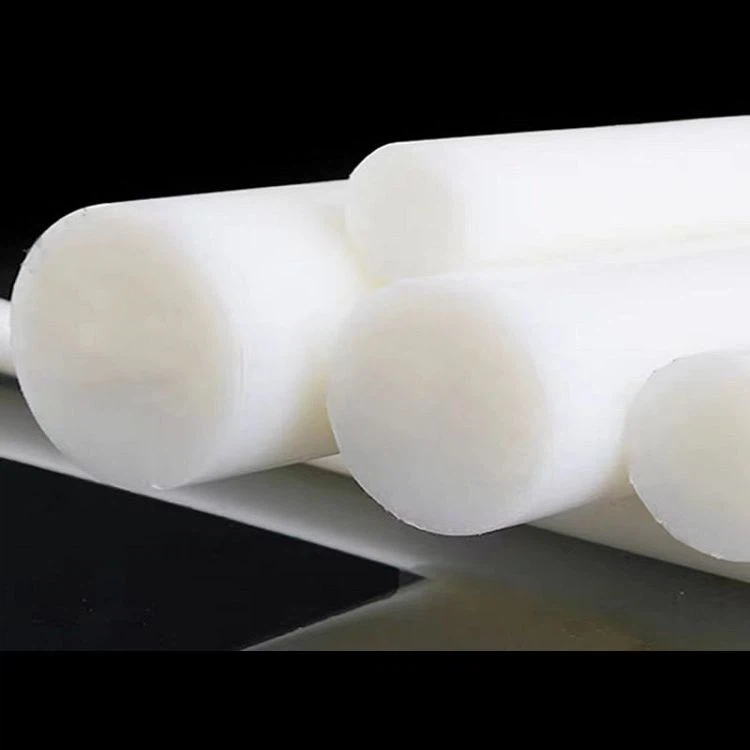
The PP Plastic Rod is another example of a PP part used for insulation purposes. These rods can be machined into custom shapes and sizes to fit specific insulation requirements in electronic assemblies. They are lightweight, easy to work with, and offer long - term stability in electrical insulation performance.
2. Structural Components
PP parts are extensively used in the electronics industry as structural components. Their high strength - to - weight ratio, combined with good impact resistance, makes them suitable for a variety of applications. For example, in mobile phones and tablets, PP frames and casings provide the necessary structural support while keeping the device lightweight.
In larger electronic equipment such as televisions and computer monitors, PP parts are used in the chassis and mounting brackets. These components need to withstand the weight of the internal components and any external forces during transportation and use. PP's ability to be injection - molded into complex shapes allows for the design of highly efficient and space - saving structural components.
The automotive electronics sector also benefits from the use of PP parts as structural elements. In car infotainment systems, dashboard electronics, and engine control units, PP parts are used to create sturdy and reliable housings. This helps in protecting the sensitive electronic components from vibrations, shocks, and temperature variations that are common in automotive environments.
3. Connectors and Housings
Connectors are an essential part of any electronic system, and PP parts play a significant role in their design and manufacture. PP is used to make connector housings due to its chemical resistance, dimensional stability, and ease of molding. These housings protect the electrical contacts inside the connectors from environmental factors such as moisture, chemicals, and dust.
PP connectors are commonly found in consumer electronics, industrial control systems, and automotive electronics. They can be designed with precise dimensions to ensure a secure fit and reliable electrical connection. The ability to color - code PP connector housings also makes it easier for technicians to identify and install the correct connectors in complex electronic systems.
PP Centrifuge Tubes may not seem directly related to connectors at first glance, but the same properties of PP that make them suitable for centrifuge tubes, such as chemical resistance and durability, can also be applied in the design of specialized connector housings for applications where exposure to chemicals is a concern.
4. Heat Management
In the electronics industry, heat management is a critical issue. Excessive heat can degrade the performance and lifespan of electronic components. PP parts can contribute to heat management in several ways.
PP has relatively low thermal conductivity, which means it can act as a thermal insulator in some applications. For example, PP gaskets and seals can be used to separate heat - generating components from other parts of the electronic device, reducing the transfer of heat.
On the other hand, PP can also be used in the design of heat sinks. By adding thermally conductive fillers to PP, it is possible to create heat - dissipating parts. These modified PP heat sinks are lightweight and can be easily integrated into electronic assemblies. They offer an alternative to traditional metal heat sinks, especially in applications where weight and cost are important considerations.
5. Packaging
PP parts are widely used in the packaging of electronic products. PP trays and boxes are used to protect electronic components during storage and transportation. These packaging solutions are lightweight, recyclable, and can be customized to fit the specific shape and size of the electronic items.
PP blister packs are commonly used for small electronic components such as resistors, capacitors, and integrated circuits. The clear and transparent nature of PP allows for easy visual inspection of the components, while the protective barrier it provides helps prevent damage from static electricity, moisture, and physical impact.
As a PP Parts supplier, I understand the importance of providing high - quality packaging solutions for the electronics industry. Our PP Parts are designed to meet the strict requirements of electronic product packaging, ensuring that the products reach the end - users in perfect condition.
6. Environmental and Regulatory Compliance
In today's electronics industry, environmental and regulatory compliance is a top priority. PP is a recyclable material, which makes it an environmentally friendly choice for electronic components and packaging. It also complies with many international regulations regarding the use of materials in electronic products, such as the Restriction of Hazardous Substances (RoHS) directive.
Using PP parts in the electronics industry helps manufacturers meet these regulatory requirements while also reducing their environmental footprint. This is becoming increasingly important as consumers and regulatory bodies demand more sustainable and responsible manufacturing practices.
7. Cost - Effectiveness
Cost is always a major consideration in the electronics industry. PP parts offer significant cost advantages compared to other materials. The raw material cost of PP is relatively low, and the ease of processing, such as injection molding, reduces manufacturing costs.
In addition, the long - term durability of PP parts means less frequent replacement and maintenance, which further reduces the overall cost of ownership. This makes PP parts an attractive option for both large - scale electronics manufacturers and small - to - medium - sized enterprises looking to optimize their production costs without sacrificing quality.
As a leading PP Parts supplier, I am committed to providing high - quality PP parts that meet the diverse needs of the electronics industry. Whether you are looking for insulation components, structural parts, connectors, or packaging solutions, our extensive range of PP Parts can be customized to your specific requirements.
If you are interested in learning more about our PP parts or would like to discuss your procurement needs, please feel free to reach out. We are eager to engage in meaningful discussions and provide you with the best solutions for your electronics manufacturing projects. Let's work together to drive innovation and success in the electronics industry.

References
- "Handbook of Electronic Packaging Materials" by C. P. Wong
- "Plastics in Electronics: Properties, Processing, and Applications" by John Murphy
- Industry reports from leading electronics research firms such as IDC and Gartner.