

Hey there! As a supplier of 3mm PTFE tubes, I often get asked about the adhesion of these tubes to other materials. It's a super important topic, especially for those in industries that rely on PTFE for its unique properties. So, let's dive right in and explore what the deal is with the adhesion of 3mm PTFE tubes.
What's PTFE Anyway?
First off, for those who might not be in the know, PTFE stands for Polytetrafluoroethylene. It's a synthetic fluoropolymer of tetrafluoroethylene. Sounds complicated, right? Well, in simple terms, it's known for its non - stick properties, high chemical resistance, and low friction coefficient. You've probably seen it in non - stick cookware, but it has a ton of industrial applications too, and that's where our 3mm PTFE tubes come into play.
The Adhesion Challenge
One of the most well - known characteristics of PTFE is its low surface energy. This low surface energy makes it incredibly difficult for other materials to adhere to it. When we're talking about our 3mm PTFE tubes, this can be both a blessing and a curse.
On one hand, the non - stick nature of PTFE means that these tubes are great for applications where you don't want anything to stick to the inside or outside of the tube. For example, in chemical processing plants, 3mm PTFE tubes can be used to transport corrosive chemicals without the risk of the chemicals sticking to the tube walls and causing blockages or degradation.
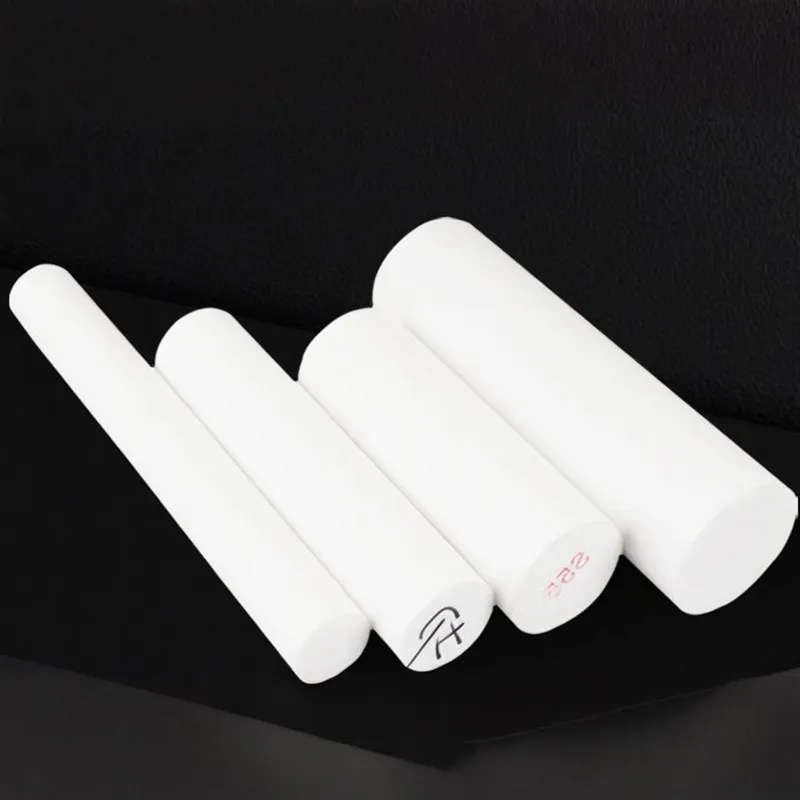

On the other hand, if you need to bond the 3mm PTFE tube to another material, like a fitting or a connector, it can be a real headache. You can't just slap some regular glue on it and expect it to work.
Factors Affecting Adhesion
There are several factors that come into play when it comes to the adhesion of 3mm PTFE tubes to other materials.
Surface Preparation
The surface of the PTFE tube needs to be properly prepared before any bonding can take place. This usually involves a process called surface activation. One common method is sodium etching. This process chemically modifies the surface of the PTFE, increasing its surface energy and making it more receptive to adhesives. However, it's a delicate process, and if not done correctly, it can damage the tube.
Type of Adhesive
Not all adhesives are created equal when it comes to bonding PTFE. Specialized adhesives designed for PTFE are required. These adhesives are formulated to have a strong affinity for the activated PTFE surface. Some common types include epoxy - based adhesives and silicone - based adhesives. Epoxy adhesives offer high strength and good chemical resistance, while silicone adhesives provide flexibility and good temperature resistance.
Material to be Bonded
The type of material you're trying to bond the 3mm PTFE tube to also matters. If it's a metal, like stainless steel, you need to consider the differences in thermal expansion rates between the PTFE and the metal. This can cause stress on the bond over time, especially if the temperature fluctuates. If it's a plastic, you need to make sure that the adhesive is compatible with both the PTFE and the plastic.
Applications and Adhesion Requirements
Let's take a look at some common applications of 3mm PTFE tubes and their adhesion requirements.
Medical Industry
In the medical industry, 3mm PTFE tubes are often used for catheters and other medical devices. These tubes may need to be bonded to connectors or other components. The adhesion needs to be strong enough to withstand the rigors of medical procedures, but also biocompatible. This means that the adhesive used can't cause any harm to the patient's body.
Electronics Industry
In electronics, 3mm PTFE tubes can be used for insulation and wire protection. When bonding these tubes to other electronic components, the adhesion needs to be reliable to ensure proper electrical insulation and protection. Additionally, the adhesive should have good dielectric properties.
Our Solutions as a Supplier
As a supplier of 3mm PTFE tubes, we understand the challenges of adhesion. That's why we offer a range of services to help our customers.
We can provide surface - activated 3mm PTFE tubes, saving our customers the hassle of doing the surface preparation themselves. We also work closely with adhesive manufacturers to recommend the best adhesives for different applications.
If you're looking for other PTFE products, we've got you covered too. Check out our PTFE Board, Black PTFE Rod, and Machined PTFE Parts.
Conclusion
The adhesion of 3mm PTFE tubes to other materials is a complex but solvable problem. With proper surface preparation, the right adhesive, and a good understanding of the application requirements, it's possible to achieve a strong and reliable bond.
If you're in need of 3mm PTFE tubes or have questions about adhesion, don't hesitate to reach out. We're here to help you find the best solutions for your specific needs. Whether you're in the medical industry, electronics industry, or any other field that uses PTFE tubes, we've got the expertise and the products to support you. Let's work together to make your projects a success!
References
- "Handbook of Adhesives and Surface Preparation: Technology, Applications and Manufacturing" by K. L. Mittal
- "PTFE: Properties, Processing, and Applications" by R. B. Seymour