

Hey there! As a supplier of MC Nylon Sheets, I often get asked about the pressure resistance of these amazing materials. So, I thought I'd take a few minutes to break it down for you.
First off, let's talk about what MC Nylon is. MC Nylon, or Monomer Cast Nylon, is a type of engineering plastic that's known for its high strength, durability, and excellent wear resistance. It's made through a casting process, which allows for the production of large, complex shapes with consistent properties.

Now, when it comes to pressure resistance, MC Nylon Sheets are pretty impressive. They can handle a significant amount of pressure without deforming or breaking. This makes them ideal for a wide range of applications where high pressure is a factor.
One of the key factors that determines the pressure resistance of MC Nylon Sheets is their density. Generally, the higher the density of the nylon, the greater its pressure resistance. This is because a higher density means there are more molecules packed together, which provides more strength and stability.
Another important factor is the thickness of the sheet. Thicker sheets can typically withstand more pressure than thinner ones. This is because they have more material to distribute the load and resist deformation.
The temperature also plays a role in the pressure resistance of MC Nylon Sheets. At higher temperatures, the nylon becomes more flexible and less rigid, which can reduce its pressure resistance. On the other hand, at lower temperatures, the nylon becomes more brittle and may be more prone to cracking under pressure.
So, how do you know if an MC Nylon Sheet is suitable for your application in terms of pressure resistance? Well, it's important to consider the specific requirements of your project. You'll need to know the maximum pressure that the sheet will be subjected to, as well as the temperature and other environmental conditions.
If you're not sure, it's always a good idea to consult with a professional. As a supplier, I'm more than happy to help you choose the right MC Nylon Sheet for your needs. I can provide you with technical data and advice based on my experience in the industry.
Now, let's take a look at some of the common applications where the pressure resistance of MC Nylon Sheets is crucial.
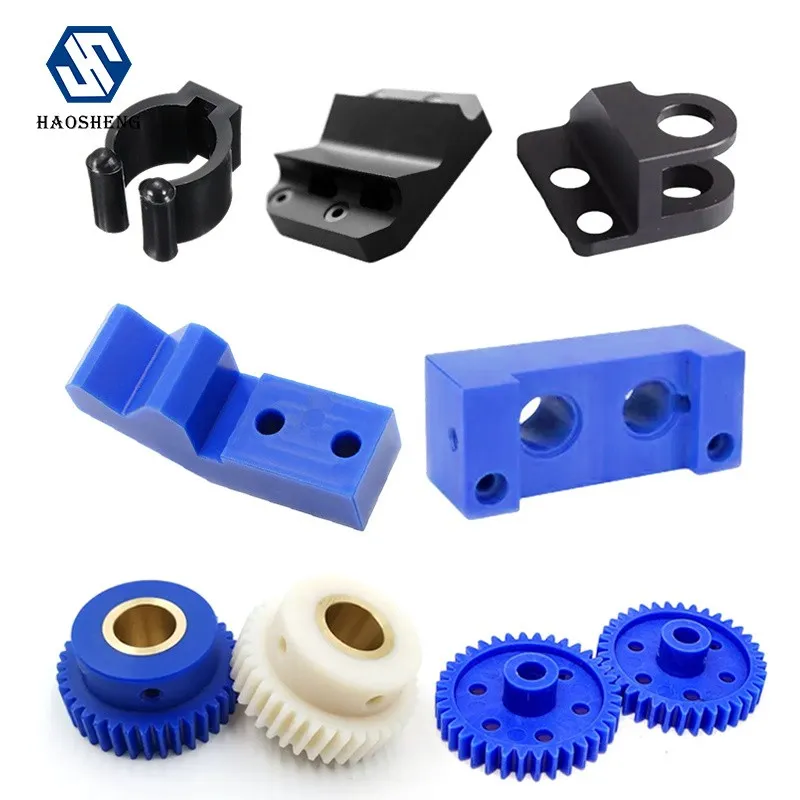
One of the most common applications is in the manufacturing of mechanical parts. MC Nylon Sheets are often used to make gears, bearings, and other components that need to withstand high pressure and wear. Their excellent pressure resistance ensures that these parts can operate smoothly and efficiently for a long time.
Another application is in the construction industry. MC Nylon Sheets can be used as structural elements in buildings and bridges, where they need to support heavy loads. Their high strength and pressure resistance make them a reliable choice for these types of applications.
In the automotive industry, MC Nylon Sheets are used in various parts, such as engine mounts and suspension components. These parts need to be able to withstand the high pressures and vibrations generated by the engine and the vehicle's movement.
Now, I'd like to mention a few related products that you might be interested in. If you're looking for other nylon products, you can check out our Nylon Plastic Tube, Nylon Plateing, and Nylon Parts. These products also offer excellent performance and can be used in a variety of applications.
If you're in the market for MC Nylon Sheets or any of our other nylon products, I encourage you to get in touch with me. I can provide you with a quote and answer any questions you may have. Whether you're a small business or a large corporation, I'm committed to providing you with the best products and service.
In conclusion, the pressure resistance of MC Nylon Sheets is an important property that makes them suitable for a wide range of applications. By considering factors such as density, thickness, and temperature, you can choose the right sheet for your needs. And if you need any help or advice, don't hesitate to contact me. I'm here to make your procurement process as easy and hassle-free as possible.
References:
- "Engineering Plastics Handbook"
- Industry research reports on MC Nylon materials