

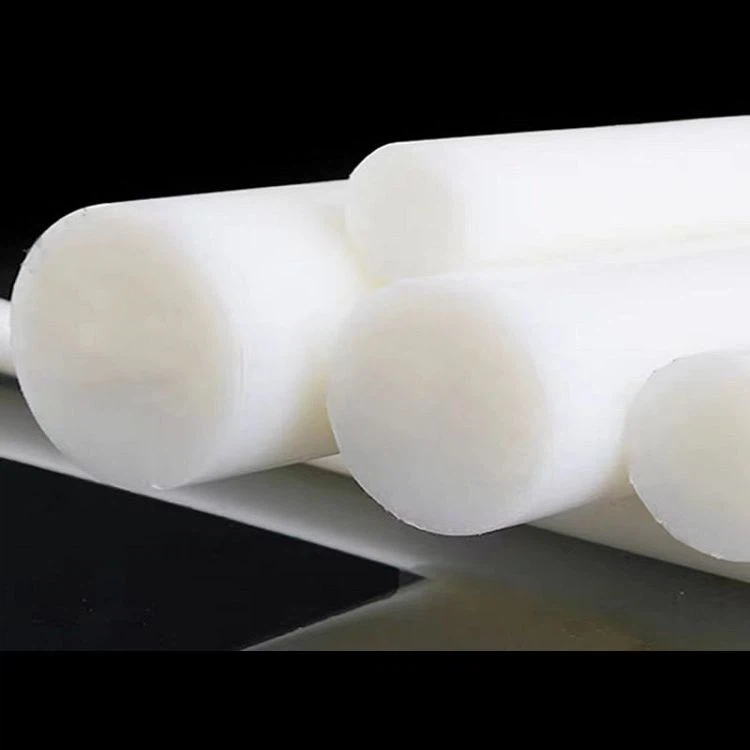
Hey there! I'm a supplier of PP products, and I know how crucial it is to transport these items safely. PP, or polypropylene, is a widely used plastic known for its durability, chemical resistance, and versatility. Whether you're shipping PP Plastic Rod, PP Centrifuge Tubes, or PP Plastic Board, ensuring their safe arrival is a top priority. In this blog, I'll share some tips and tricks on how to transport PP products safely.
Understanding PP Products
Before we dive into the transportation part, let's quickly understand what makes PP products unique. PP is a thermoplastic polymer that can be molded into various shapes and sizes. It's commonly used in industries like packaging, automotive, medical, and consumer goods. PP products are lightweight, which is great for reducing shipping costs, but they can also be prone to damage if not handled properly.
Pre - Transportation Preparation
Inspection
The first step is to inspect all the PP products before packing them. Look for any signs of damage, such as cracks, scratches, or deformities. If you find any defective items, set them aside and replace them with new ones. This will prevent any issues during transit and ensure that your customers receive high - quality products.
Cleaning
Clean the PP products thoroughly. Dirt, dust, and debris can not only make the products look bad but also potentially cause damage during transportation. Use a mild detergent and a soft cloth to clean the surfaces. Make sure the products are completely dry before packing them.
Sorting and Grouping
Sort the PP products according to their size, shape, and fragility. Group similar items together. This will make it easier to pack them efficiently and also reduce the risk of damage. For example, if you have different sizes of PP Plastic Rod, group them by length and diameter.
Choosing the Right Packaging Materials
Boxes
Select sturdy cardboard boxes that are appropriate for the size and weight of the PP products. The boxes should be able to withstand the rigors of transportation. You can also use custom - made boxes if you have unique - shaped PP products. Make sure the boxes are clean and free of any contaminants.
Cushioning Materials
Use cushioning materials to protect the PP products inside the boxes. Bubble wrap is a popular choice as it provides excellent shock absorption. You can also use packing peanuts, foam sheets, or air pillows. Wrap each individual PP product with bubble wrap and then place them in the box with additional cushioning material around them.
Sealing
Seal the boxes properly using high - quality packing tape. Make sure all the seams are sealed to prevent the boxes from opening during transit. You can also reinforce the corners of the boxes with additional tape for extra strength.
Labeling
Product Information
Label each box with detailed product information, including the name of the PP product, quantity, and any special handling instructions. This will help the shipping company and the recipients to identify the contents easily.
Fragile Labels
If the PP products are fragile, label the boxes as "Fragile". This will alert the handlers to take extra care when moving the boxes. You can also use other warning labels, such as "Keep Upright" or "Do Not Stack", if applicable.
Shipping Method Selection
Ground Shipping
Ground shipping is a cost - effective option for transporting PP products, especially if they are not time - sensitive. It's suitable for both short - and long - distance shipments. However, make sure to choose a reliable shipping carrier with a good track record of handling fragile items.
Air Shipping
If you need to transport the PP products quickly, air shipping is a better choice. It reduces the transit time significantly, but it can be more expensive. Also, make sure the shipping carrier has experience in handling plastic products.
Freight Shipping
For large - volume shipments of PP products, freight shipping may be the best option. You can choose between less - than - truckload (LTL) and full - truckload (FTL) shipping depending on the quantity of your products. Freight shipping usually offers more flexibility in terms of delivery schedules and handling.
Handling During Transit
Loading and Unloading
During loading and unloading, make sure the PP products are handled gently. Avoid dropping or throwing the boxes. Use proper equipment, such as pallet jacks or forklifts, to move the boxes safely.
Storage Conditions
If the PP products are going to be stored during transit, make sure the storage conditions are suitable. Keep them in a dry, cool place away from direct sunlight and extreme temperatures. High temperatures can cause PP products to deform, while moisture can lead to mold growth.
Insurance
It's always a good idea to get insurance for your PP product shipments. Accidents can happen during transit, and insurance can protect you from financial losses. Make sure to read the insurance policy carefully and understand the coverage limits and exclusions.
Communication with the Shipping Carrier
Tracking
Stay in touch with the shipping carrier and track the progress of your shipment. Most shipping carriers provide online tracking services, which allow you to monitor the location and status of your boxes. If there are any delays or issues, you can address them promptly.

Feedback
Provide feedback to the shipping carrier after the shipment is delivered. If the products arrived safely, let them know. If there were any problems, such as damaged boxes or late delivery, communicate your concerns clearly. This will help the carrier improve their services and also ensure better handling of your future shipments.
Conclusion
Transporting PP products safely requires careful planning, proper packaging, and effective communication. By following the tips and tricks mentioned in this blog, you can minimize the risk of damage and ensure that your customers receive high - quality PP products. If you're interested in purchasing our PP products or have any questions about transportation, feel free to reach out for a purchase negotiation. I'm always here to help you get the best deal and ensure a smooth shipping process.
References
- Packaging World. "Best Practices for Packaging Plastic Products."
- Shipping Industry Handbook. "Guide to Safe Product Transportation."