

Hey there! As a supplier of PTFE products, one question I get asked a lot is, "Does PTFE Board emit toxic fumes when heated?" It's a valid concern, especially for those who use PTFE materials in high - temperature applications. So, let's dive right in and explore this topic.
First off, let's talk a bit about what PTFE is. PTFE stands for Polytetrafluoroethylene. It's an incredibly useful material known for its non - stick properties, chemical resistance, and low friction coefficient. You can find PTFE in a wide range of products, from kitchen cookware to industrial components. And of course, we offer PTFE Board that's used in various industries due to its excellent performance.
Now, to answer the burning question about toxic fumes. PTFE is generally very stable at normal temperatures. In fact, it can withstand a fair amount of heat before any real issues start to occur. Under normal use conditions, like when you're using a PTFE - coated pan for cooking at typical stovetop temperatures, there's no need to worry. The PTFE remains intact and doesn't release any harmful substances.
However, things change when the temperature gets really high. PTFE starts to break down at around 260°C (500°F). As the temperature rises above this point, it begins to emit fumes. These fumes are a result of the PTFE molecules breaking apart. The main concern with these fumes is that they can be toxic, especially if inhaled in large quantities.
For birds, the situation is even more critical. Birds have very sensitive respiratory systems, and even small amounts of PTFE fumes can be fatal to them. If you have pet birds at home and you're using PTFE - coated cookware, it's important to be extra cautious. Make sure the kitchen is well - ventilated and avoid overheating the pans.
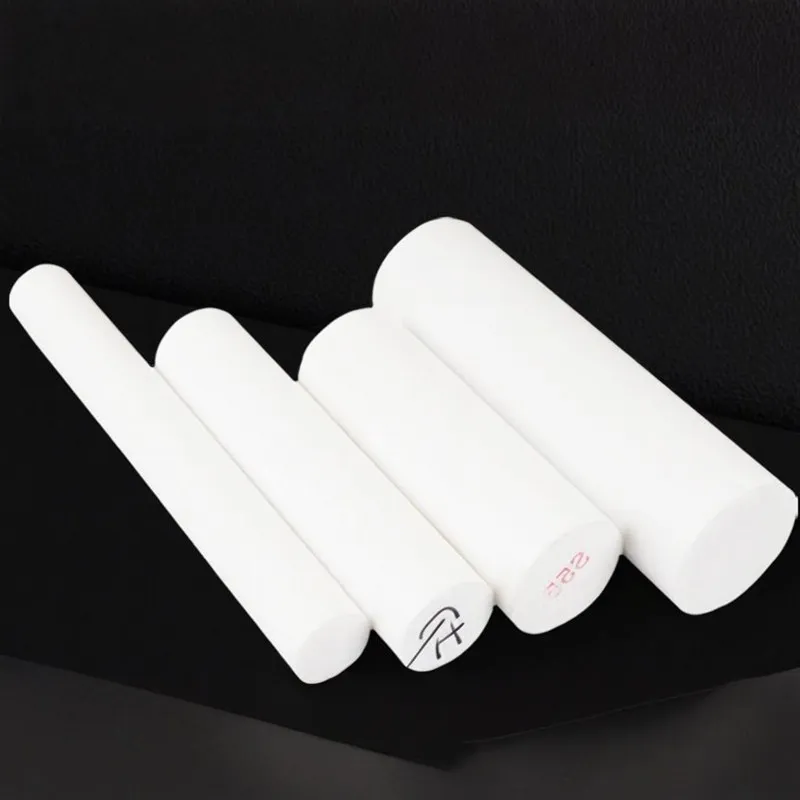

In an industrial setting, where PTFE materials like our PTFE Board are used, strict safety measures are in place to deal with high - temperature situations. Workers are trained to handle PTFE materials properly and to ensure that the working environment is well - ventilated. When PTFE is heated above its decomposition temperature in an industrial process, the fumes are usually captured and filtered to prevent them from being released into the air.
It's also important to note that the toxicity of the fumes depends on several factors. The duration of exposure, the concentration of the fumes, and the individual's sensitivity all play a role. Short - term exposure to low concentrations of PTFE fumes might cause mild symptoms like headache, dizziness, or nausea. But long - term or high - concentration exposure can lead to more serious health problems, such as flu - like symptoms known as "polymer fume fever."
Now, let's talk about how we, as a PTFE Board supplier, ensure the safety of our products. We conduct thorough quality control tests on all our PTFE products, including 3mm PTFE Tube and Black PTFE Rod. Our PTFE materials are manufactured to meet strict industry standards. We provide detailed technical specifications and safety guidelines to our customers so that they can use our products safely.
When it comes to high - temperature applications, we recommend using our PTFE products within their specified temperature limits. If you need to use PTFE in a high - heat environment, we can offer advice on how to do it safely. For example, we might suggest using additional ventilation systems or heat - resistant coatings to protect the PTFE from overheating.
In conclusion, while PTFE Board can emit toxic fumes when heated above its decomposition temperature, with proper handling and safety precautions, the risks can be minimized. Whether you're a home cook or an industrial user, it's important to be aware of the potential hazards and to take steps to protect yourself and the environment.
If you're in the market for high - quality PTFE products like our PTFE Board, 3mm PTFE Tube, or Black PTFE Rod, we're here to help. We have a wide range of PTFE products to meet your specific needs. If you have any questions or want to discuss your requirements, feel free to reach out. We're always happy to have a chat and help you find the right PTFE solution for your project.
References
- "Polytetrafluoroethylene (PTFE) - Properties and Applications" by Industrial Materials Handbook
- "Safety Guidelines for Working with PTFE in High - Temperature Environments" by Occupational Safety and Health Administration (OSHA)