

Hey there! As a Nylon PA66 supplier, I often get asked about the storage conditions for Nylon PA66 materials. It's a crucial topic because proper storage can significantly impact the quality and performance of this versatile material. So, let's dive right in and explore what it takes to store Nylon PA66 correctly.
Why Proper Storage Matters
Before we get into the nitty - gritty of storage conditions, let's understand why it's so important. Nylon PA66 is a hygroscopic material, which means it has a tendency to absorb moisture from the surrounding environment. When it absorbs moisture, its physical and mechanical properties can change. For example, it may become softer, and its dimensional stability can be affected. This can lead to issues during processing and in the final products made from Nylon PA66.
Temperature
The first factor to consider when storing Nylon PA66 is temperature. Ideally, Nylon PA66 should be stored in a cool environment. A temperature range of 20 - 25°C (68 - 77°F) is considered optimal. High temperatures can accelerate the degradation of the material. If the storage area gets too hot, say above 30°C (86°F), the Nylon PA66 may start to oxidize more rapidly. Oxidation can cause the material to become brittle over time, reducing its strength and toughness.
On the other hand, extremely low temperatures can also be a problem. If the temperature drops below 0°C (32°F), the material can become more rigid and may be more prone to cracking during handling. So, it's important to maintain a relatively stable and moderate temperature in the storage area.
Humidity
As I mentioned earlier, Nylon PA66 is hygroscopic. So, controlling humidity is a must. The relative humidity in the storage area should be kept between 40 - 60%. When the humidity is too high, the Nylon PA66 will absorb a large amount of moisture. This can lead to swelling of the material, and it may also cause issues during processing, such as poor flow in injection molding machines.
To keep the humidity in check, you can use dehumidifiers in the storage facility. If you don't have a dehumidifier, you can also store the Nylon PA66 in sealed containers with desiccants. Desiccants are substances that can absorb moisture, like silica gel. Just make sure to replace the desiccants regularly to keep them effective.
Light Exposure
Another aspect to consider is light exposure. Nylon PA66 can be sensitive to ultraviolet (UV) light. Prolonged exposure to sunlight or other sources of UV light can cause the material to discolor and degrade. The UV rays can break down the chemical bonds in the Nylon PA66, leading to a loss of strength and other mechanical properties.
So, it's best to store Nylon PA66 in a dark place or in opaque containers. If you have to store it in an area where there is some light, make sure it's indirect light. You can use curtains or blinds to block out direct sunlight if your storage area has windows.
Storage Containers
The type of storage containers you use also matters. For small quantities of Nylon PA66, you can use plastic bags or sealed plastic containers. Make sure the containers are clean and dry before you put the material in them. For larger quantities, you can use metal or plastic drums. These drums should also be sealed properly to prevent moisture and dust from getting in.
If you're storing Nylon PA66 in bulk, you can use silos. However, silos need to be well - maintained. They should be regularly inspected for any signs of damage or leakage. And of course, the temperature and humidity inside the silos need to be monitored and controlled.
Protection from Contaminants
Nylon PA66 should be protected from contaminants. Dust, dirt, and other foreign particles can get into the material and affect its quality. So, the storage area should be kept clean. You can use floor mats at the entrances to prevent dirt from being tracked in. Also, make sure that there are no chemicals or other substances in the storage area that could react with the Nylon PA66.
Stacking and Handling
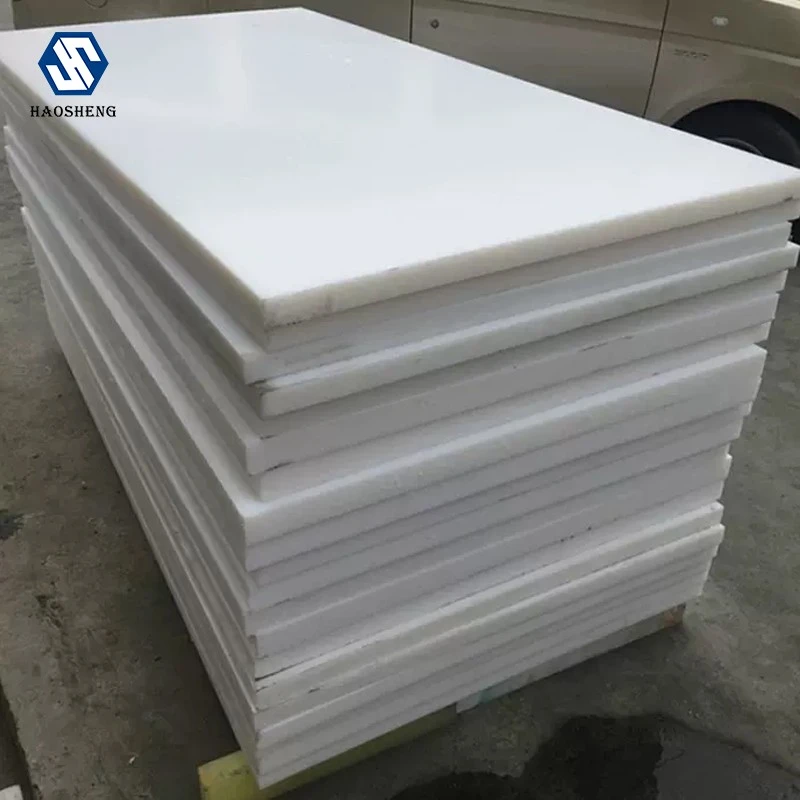
When stacking Nylon PA66 products, be careful not to stack them too high. Over - stacking can cause the material at the bottom to be compressed, which may lead to deformation. If you're storing Nylon Round Bar, Nylon Plate Sheet, or Nylon PA12 Tube, make sure they are stacked in a stable and organized manner.
During handling, use proper equipment to avoid scratching or damaging the material. For example, when moving Nylon PA66 drums, use a forklift with the right attachments to ensure a smooth and safe transfer.
Monitoring and Inspection
Regular monitoring and inspection of the stored Nylon PA66 are essential. Check the temperature and humidity levels in the storage area daily. You can use a thermometer and a hygrometer for this. Also, visually inspect the material for any signs of damage, discoloration, or moisture absorption.

If you notice any issues, take immediate action. For example, if the humidity is too high, turn on the dehumidifier or replace the desiccants. If the material shows signs of degradation, you may need to use it up quickly or dispose of it properly.
Conclusion
In conclusion, proper storage of Nylon PA66 is crucial for maintaining its quality and performance. By controlling temperature, humidity, light exposure, and protecting it from contaminants, you can ensure that the Nylon PA66 you store remains in top - notch condition.
If you're in the market for high - quality Nylon PA66 materials, I'm here to help. Whether you need Nylon Round Bar, Nylon Plate Sheet, or Nylon PA12 Tube, I can provide you with the best products. Reach out to me if you have any questions or if you're ready to start a procurement discussion. I'm looking forward to working with you!
References
- "Plastics Technology Handbook", Third Edition, edited by Howard S. Katz.
- "Engineering Plastics: Properties and Applications" by Donald V. Rosato, David V. Rosato, and Michael G. Rosato.