

Hey there! As a supplier of PTFE Board, I often get asked about the mechanical strength of this amazing material. So, let's dive right in and explore what makes PTFE Board tick in terms of its mechanical might.
First off, what is PTFE? PTFE stands for Polytetrafluoroethylene. It's a synthetic fluoropolymer of tetrafluoroethylene. You might know it by the brand name Teflon, which is a household term thanks to its non - stick properties in cookware. But PTFE's uses go far beyond the kitchen, and its mechanical strength is a key factor in many industrial applications.
Understanding Mechanical Strength
Mechanical strength is a broad term that encompasses several properties. We're talking about things like tensile strength, compressive strength, flexural strength, and impact strength. Each of these properties plays a crucial role in determining how well a PTFE Board will perform in different situations.
Tensile Strength
Tensile strength is the maximum amount of tensile (pulling) stress that a material can withstand before breaking. For PTFE Board, the tensile strength can vary depending on factors like the manufacturing process and the grade of the material. Generally, PTFE has a relatively good tensile strength, but it's not as high as some metals or advanced composites. However, what it lacks in brute tensile force, it makes up for in other areas. For example, it can maintain its integrity under a certain amount of tension without significant deformation, which is great for applications where it needs to be stretched or pulled slightly.
Compressive Strength
Compressive strength is the ability of a material to withstand a crushing force. PTFE Board has a decent compressive strength. It can handle a fair amount of pressure without being permanently deformed or damaged. This property makes it suitable for applications where it might be placed under heavy loads, such as in some types of gaskets or structural components. When a PTFE gasket is compressed between two surfaces, it can seal effectively because of its ability to resist the compressive forces.
Flexural Strength
Flexural strength refers to a material's ability to resist bending. PTFE Board has good flexural strength, which means it can be bent to a certain degree without breaking. This is useful in applications where the material needs to be shaped or where it will experience some bending forces during normal use. For instance, in electrical insulation applications, a PTFE Board might need to be bent around wires or components, and its flexural strength allows it to do so without cracking.
Impact Strength
Impact strength is how well a material can withstand a sudden impact or shock. PTFE's impact strength is moderate. It can handle small to medium - sized impacts without shattering, but it's not as impact - resistant as some materials like rubber or certain plastics. However, in many applications, the impact forces are not extremely high, and PTFE's performance is more than adequate.
Factors Affecting the Mechanical Strength of PTFE Board
There are several factors that can influence the mechanical strength of PTFE Board.
Temperature
Temperature plays a significant role. At low temperatures, PTFE becomes more brittle, and its mechanical strength, especially the impact strength, can decrease. On the other hand, at high temperatures, the material can start to soften, which reduces its overall strength. Most PTFE Boards are designed to perform well within a certain temperature range, and it's important to choose the right grade for the specific temperature conditions of your application.
Additives
Manufacturers can add various additives to PTFE to enhance its mechanical properties. For example, adding glass fibers can significantly increase the tensile and compressive strength of the PTFE Board. Carbon fibers can also be used to improve the material's strength and stiffness. These additives can be tailored to meet the specific requirements of different applications.
Manufacturing Process
The way the PTFE Board is manufactured can have a big impact on its mechanical strength. Processes like sintering, which involves heating the PTFE to a high temperature and then cooling it, can affect the density and structure of the material. A well - controlled manufacturing process can result in a PTFE Board with more consistent and higher mechanical strength.
Applications Based on Mechanical Strength
The mechanical strength of PTFE Board makes it suitable for a wide range of applications.
Sealing Applications
Thanks to its good compressive and flexural strength, PTFE Board is commonly used in sealing applications. Gaskets made from PTFE can effectively seal joints in pipes, valves, and other equipment. The material can conform to the surfaces being sealed and maintain its shape under pressure, preventing leaks.
Electrical Insulation
In electrical applications, the mechanical strength of PTFE Board is important for holding its shape and protecting the electrical components. It can be used as insulation for wires, circuit boards, and other electrical devices. Its ability to resist bending and maintain its integrity under normal handling makes it a reliable choice for these applications.

Chemical Processing
In the chemical industry, PTFE's resistance to chemicals combined with its mechanical strength makes it ideal for use in tanks, pipes, and other equipment. It can withstand the corrosive effects of many chemicals while also handling the mechanical stresses associated with the flow of fluids and the pressure within the system.
Our PTFE Board Offerings
As a supplier, we offer a wide range of PTFE Boards with different mechanical properties to meet the diverse needs of our customers. If you're looking for a PTFE Board with high tensile strength for a specific application, we can provide you with the right grade. And if you need a board with excellent compressive strength for a heavy - duty project, we've got you covered.
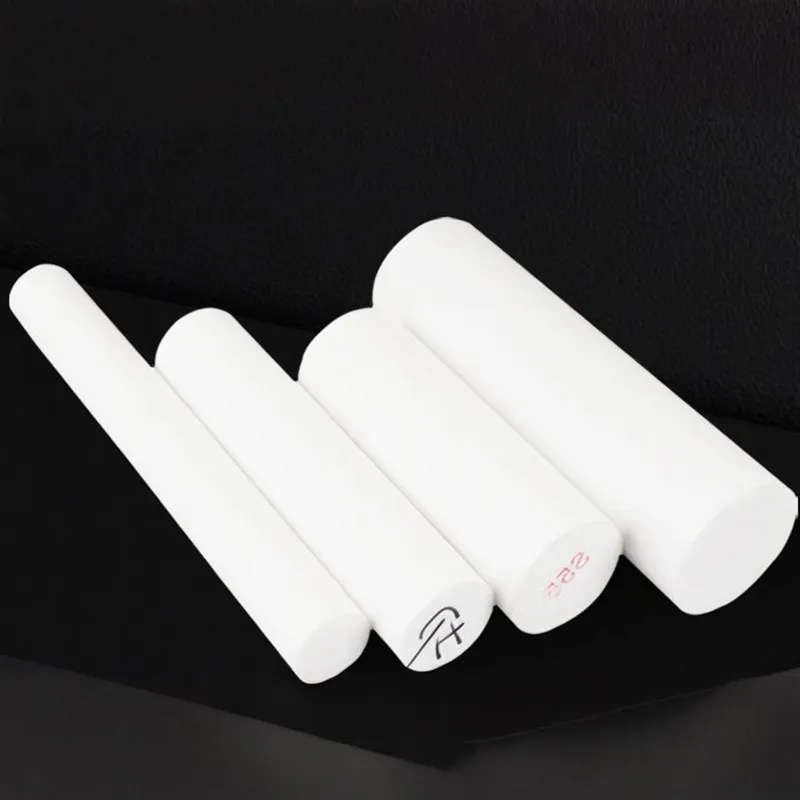
We also offer related products like 3mm PTFE Tube and Black PTFE Rod. These products also benefit from the unique properties of PTFE, including its mechanical strength. Whether you need a tube for fluid transfer or a rod for machining into custom parts, our products are of high quality.
If you're interested in learning more about our PTFE Board or any of our other PTFE products, don't hesitate to get in touch. We're always happy to discuss your specific requirements and help you find the best solution for your project. Whether it's a small - scale DIY project or a large - scale industrial application, we have the expertise and the products to meet your needs.
Conclusion
In conclusion, the mechanical strength of PTFE Board is a complex but important aspect of this versatile material. Its tensile, compressive, flexural, and impact strengths, along with the factors that affect them, determine its suitability for a wide range of applications. As a supplier, we're committed to providing high - quality PTFE Boards and related products that meet the highest standards of mechanical performance. So, if you're in the market for PTFE products, give us a shout, and let's start a conversation about how we can help you with your project.
References
- "Modern Fluoropolymers" by John Scheirs
- "Handbook of Plastics, Elastomers and Composites" by Charles A. Harper