

What is the Heat Deflection Temperature of a PP Plastic Rod?
As a supplier of PP Plastic Rod, I often receive inquiries about the heat deflection temperature of these rods. Understanding this property is crucial for customers who plan to use PP plastic rods in various applications, especially those where the material will be exposed to elevated temperatures. In this blog post, I will delve into the concept of heat deflection temperature, its significance for PP plastic rods, and how it can impact your projects.
Understanding Heat Deflection Temperature
Heat deflection temperature (HDT), also known as heat distortion temperature, is a measure of a plastic material's ability to withstand a specific load at elevated temperatures without significant deformation. It is determined by subjecting a test specimen of the material to a standardized load and gradually increasing the temperature until the specimen deflects by a specified amount. The temperature at which this deflection occurs is the heat deflection temperature.
The HDT is an important property because it provides an indication of the upper temperature limit at which a plastic material can be used in a structural or load - bearing application. When the temperature exceeds the HDT, the material becomes more flexible and may deform under load, which can compromise the performance and integrity of the product.
Heat Deflection Temperature of PP Plastic Rods
Polypropylene (PP) is a widely used thermoplastic polymer known for its excellent chemical resistance, low density, and good mechanical properties. The heat deflection temperature of a PP plastic rod can vary depending on several factors, including the type of PP resin used, the presence of additives, and the manufacturing process.
Typically, the heat deflection temperature of unfilled polypropylene ranges from about 80°C to 100°C (176°F to 212°F) under a load of 0.45 MPa (66 psi). However, when glass fibers or other fillers are added to the PP resin, the HDT can be significantly increased. For example, glass - filled polypropylene can have a heat deflection temperature of up to 150°C (302°F) or higher under the same load.
The reason for the increase in HDT with the addition of fillers is that the fillers act as reinforcement, providing additional stiffness and resistance to deformation at elevated temperatures. The fillers help to distribute the load more evenly throughout the material, reducing the stress on the polymer chains and preventing them from softening and deforming as easily.
Factors Affecting the Heat Deflection Temperature of PP Plastic Rods
1. Resin Type
There are different types of polypropylene resins available, such as homopolymer and copolymer. Homopolymer PP generally has a higher crystallinity, which results in better mechanical properties and a higher heat deflection temperature compared to copolymer PP. Copolymer PP, on the other hand, offers better impact resistance but may have a slightly lower HDT.
2. Additives
Additives can be used to modify the properties of PP plastic rods. For example, heat stabilizers can be added to improve the material's resistance to thermal degradation at high temperatures, thereby increasing the HDT. Flame retardants, on the other hand, may have a negative impact on the HDT, as they can interfere with the polymer's structure and reduce its stiffness.
3. Manufacturing Process
The manufacturing process of the PP plastic rod can also affect its heat deflection temperature. Extrusion is a common method for producing PP rods, and the processing conditions, such as temperature, pressure, and cooling rate, can influence the final properties of the rod. A well - controlled manufacturing process can ensure a more uniform structure and better heat resistance.
Importance of Heat Deflection Temperature in Applications
The heat deflection temperature of a PP plastic rod is a critical consideration in many applications. Here are some examples:
1. Automotive Industry
In the automotive industry, PP plastic rods are used in various components, such as interior trim, engine covers, and air intake manifolds. These components may be exposed to high temperatures under the hood or in the passenger compartment. By choosing a PP plastic rod with an appropriate HDT, manufacturers can ensure that the components maintain their shape and performance under normal operating conditions.
2. Chemical Processing
PP is highly resistant to many chemicals, making it a popular choice for use in chemical processing equipment. However, in applications where the equipment is exposed to hot chemicals or high - temperature environments, the HDT of the PP plastic rod must be sufficient to prevent deformation and leakage.
3. Electrical and Electronics
PP plastic rods are also used in electrical and electronics applications, such as cable insulation and connectors. In these applications, the material may be exposed to heat generated by electrical components. A high HDT ensures that the plastic rod can withstand the heat without melting or deforming, which could lead to electrical failures.
Comparing PP Plastic Rods with Other Materials
When considering the use of PP plastic rods, it is also important to compare their heat deflection temperature with other materials. For example, compared to polyethylene (PE), PP generally has a higher HDT. PE has a relatively low heat deflection temperature, typically in the range of 40°C to 80°C (104°F to 176°F), which limits its use in high - temperature applications.
On the other hand, engineering plastics such as polycarbonate (PC) and polyamide (PA) have much higher heat deflection temperatures than PP. PC can have an HDT of up to 130°C (266°F) or more, and PA can have an HDT of over 200°C (392°F). However, these engineering plastics are usually more expensive than PP, so the choice of material depends on the specific requirements of the application and the cost - performance balance.
How to Select the Right PP Plastic Rod Based on HDT
When selecting a PP plastic rod for your application, you should first determine the maximum temperature that the rod will be exposed to. Then, choose a rod with a heat deflection temperature that is higher than this maximum temperature to ensure that the rod will not deform under load.
If you need a PP plastic rod with a high HDT, consider using a glass - filled or mineral - filled PP resin. These filled materials offer significantly improved heat resistance compared to unfilled PP. However, keep in mind that filled PP may have different mechanical and processing properties, so you may need to adjust your manufacturing process accordingly.
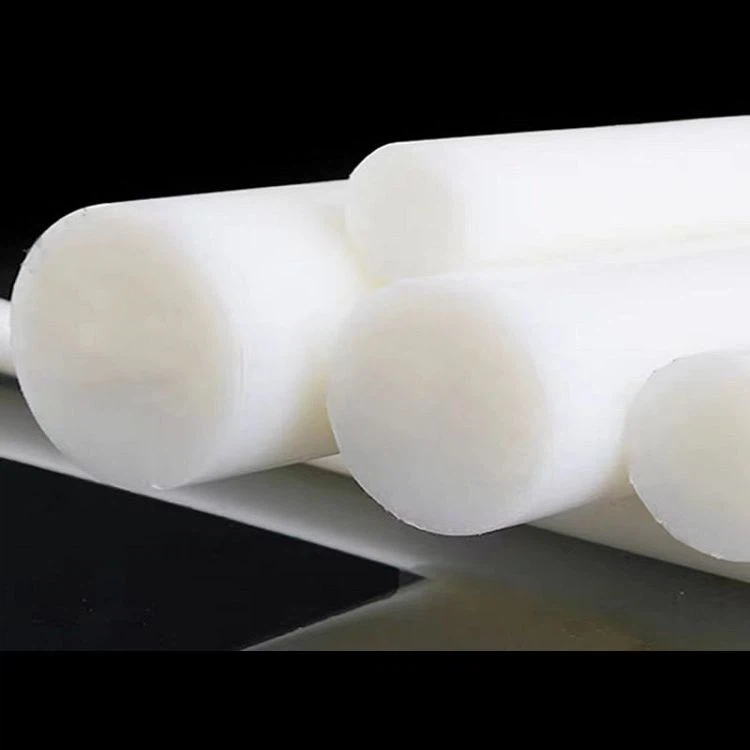

In addition to the HDT, you should also consider other properties of the PP plastic rod, such as its strength, stiffness, chemical resistance, and impact resistance. These properties will also affect the performance of the rod in your application.
Related PP Products
In addition to PP Plastic Rod, we also offer a range of other PP products, including PP Parts and PP Centrifuge Tubes. These products are also made from high - quality PP resin and are designed to meet the specific requirements of different industries.
Conclusion
The heat deflection temperature of a PP plastic rod is an important property that can significantly impact its performance in various applications. By understanding the factors that affect the HDT and how to select the right PP plastic rod based on this property, you can ensure that your products meet the required standards and perform well under different temperature conditions.
If you have any questions about the heat deflection temperature of our PP plastic rods or need help selecting the right product for your application, please feel free to contact us. We are a professional supplier with extensive experience in the field of PP products, and we are committed to providing you with high - quality products and excellent service. Let's start a conversation about your specific needs and find the best solution together.
References
- "Plastics Materials and Processing" by Donald R. Paul and Charles A. Daniels.
- "Handbook of Thermoplastics" edited by O. Olabisi.
- Technical data sheets from major polypropylene resin manufacturers.