

As a dedicated supplier of polypropylene (PP) products, I often find myself engaged in conversations about the diverse color options available for these versatile materials. PP, known for its high chemical resistance, good impact strength, and low density, is a popular choice across various industries, from packaging to automotive and medical applications. In this blog, I'll explore the range of colors that can be achieved in PP products, the factors influencing color selection, and how these choices impact different applications.
Standard Colors in PP Products
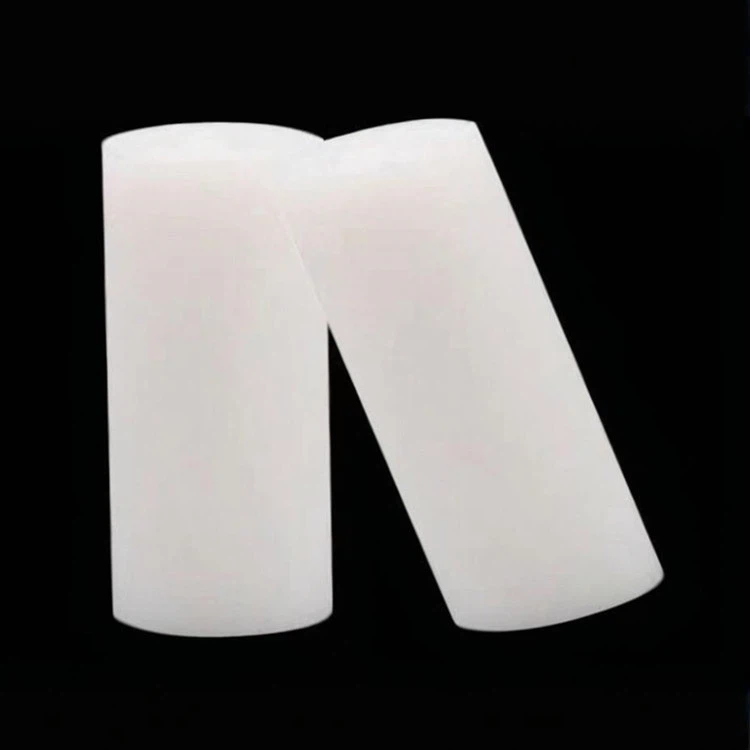
PP products come in a wide array of standard colors, each serving specific purposes and aesthetic preferences. The most common color for PP is natural white, which is the color of the raw polypropylene material. This natural white is often used in applications where the purity of the material is important, such as in food packaging or medical devices. It provides a clean and neutral appearance that is both appealing and safe for direct contact with consumables or sensitive medical equipment.
Another popular standard color is black. Black PP products are highly sought after in applications where UV resistance is crucial. The carbon black used to color the PP acts as a UV stabilizer, protecting the material from the harmful effects of sunlight and preventing degradation over time. This makes black PP ideal for outdoor applications, such as automotive parts, garden furniture, and outdoor signage.
Grey is also a commonly available color in PP products. It offers a more subdued and industrial look, making it suitable for a wide range of applications, including electronic enclosures, appliance parts, and industrial machinery components. Grey PP can be easily customized to different shades, from light to dark, to match specific design requirements.
Custom Colors in PP Products
In addition to the standard colors, custom colors can be produced to meet the specific needs of customers. This is particularly important for industries where brand identity and product differentiation are key. By working closely with our customers, we can develop custom color formulations that match their exact specifications.
The process of creating custom colors in PP involves the use of color masterbatches. These masterbatches are concentrated mixtures of pigment and polymer that are added to the raw PP resin during the manufacturing process. The amount of masterbatch added determines the intensity of the color, and careful calibration is required to achieve the desired shade.

Custom colors in PP can range from bright and vibrant hues to subtle and sophisticated tones. For example, in the consumer goods industry, companies may request custom colors to match their brand logo or to create eye-catching packaging. In the automotive industry, custom colors are used to enhance the aesthetic appeal of interior and exterior parts, allowing manufacturers to differentiate their products in the market.
Factors Influencing Color Selection
When choosing the color for PP products, several factors need to be considered. One of the most important factors is the intended application of the product. For example, in food packaging, colors that are non-toxic and do not migrate into the food are essential to ensure safety. In medical applications, colors that do not interfere with the visibility of fluids or the operation of medical devices are preferred.
Another factor to consider is the environment in which the product will be used. Outdoor applications require colors that are resistant to UV radiation, fading, and weathering. In contrast, indoor applications may focus more on aesthetic appeal and color stability over time.
Cost is also an important consideration when selecting colors for PP products. Standard colors are generally more cost-effective than custom colors, as they do not require the development of a new color formulation. However, for products where brand identity or product differentiation is crucial, the additional cost of custom colors may be justified.
Color Availability in Different PP Products
Now, let's take a closer look at the color availability in some of our popular PP products:
- PP Plastic Rod: Our PP Plastic Rod is available in a variety of standard colors, including natural white, black, and grey. Custom colors can also be produced upon request. These rods are commonly used in applications such as machining, fabrication, and structural support.
- PP Centrifuge Tubes: Our PP Centrifuge Tubes are typically available in natural white, which provides a clear view of the contents inside. However, we can also produce custom colors for these tubes to meet specific branding or identification requirements. These tubes are widely used in laboratories for centrifugation and sample storage.
- PP Parts: Our PP Parts are available in a wide range of colors, both standard and custom. These parts are used in various industries, including automotive, electronics, and appliances. The color selection for these parts is often based on the specific requirements of the application, such as UV resistance, aesthetic appeal, or brand identity.
- PP Plastic Board: Our PP Plastic Board is available in standard colors such as natural white, black, and grey. Custom colors can also be produced to meet the specific needs of our customers. These boards are commonly used in applications such as signage, display panels, and fabrication.
Impact of Color on Product Performance
It's important to note that the color of a PP product can have an impact on its performance. For example, as mentioned earlier, black PP products have better UV resistance compared to other colors due to the presence of carbon black. This can significantly extend the lifespan of the product in outdoor applications.
On the other hand, some pigments used in color masterbatches may have an effect on the mechanical properties of the PP material. For example, certain pigments may reduce the impact strength or increase the brittleness of the material. Therefore, it's crucial to work closely with a knowledgeable supplier to ensure that the chosen color does not compromise the performance of the product.
Conclusion
In conclusion, the color options available for PP products are diverse, offering a wide range of choices to meet the specific needs of different industries and applications. Whether it's the standard colors of natural white, black, and grey or custom colors to match brand identity, there is a color solution for every project.
As a supplier, we are committed to providing our customers with high-quality PP products in a variety of colors. We work closely with our customers to understand their requirements and develop the best color solutions for their products. If you're interested in learning more about our PP products and the color options available, please feel free to contact us for a detailed discussion. Our team of experts is ready to assist you in making the right choice for your next project.
References
- Modern Plastics Encyclopedia. Chemical Publishing Co., various editions.
- "Polypropylene: Structure, blends and composites" by A. J. Lesser.
- Industry reports on plastics and polymers from market research firms.