

Hey there! As a supplier of pp products, I've been in the game for quite some time now. And one question that often pops up is, "What are the packaging methods for pp products?" Well, I'm here to break it down for you.
First off, let's talk about why packaging is so important. Packaging isn't just about making your products look pretty. It plays a crucial role in protecting the pp products during transit and storage. PP products, like PP Parts, PP Plastic Rod, and PP Centrifuge Tubes, come in all shapes and sizes, and they need the right kind of packaging to stay in good condition.
1. Blister Packaging
Blister packaging is a popular choice for many pp products, especially small parts. It consists of a clear plastic blister that's formed around the product and then sealed to a backing card. This type of packaging offers several advantages.
For starters, it provides excellent visibility. Customers can see exactly what they're getting without having to open the package. This is great for marketing, as it allows the product to speak for itself. Plus, the plastic blister offers a certain level of protection against dust, moisture, and minor impacts.
Another benefit is that blister packaging is relatively easy to customize. You can choose different sizes and shapes of blisters to fit your specific pp products. And the backing card can be printed with your company logo, product information, and other branding elements.
However, there are also some drawbacks. Blister packaging can be more expensive than other options, especially if you're using high - quality materials. And it may not be the best choice for very large or heavy pp products.
2. Poly Bags
Poly bags are one of the simplest and most cost - effective packaging methods for pp products. They're made of polyethylene plastic and come in a variety of sizes and thicknesses.
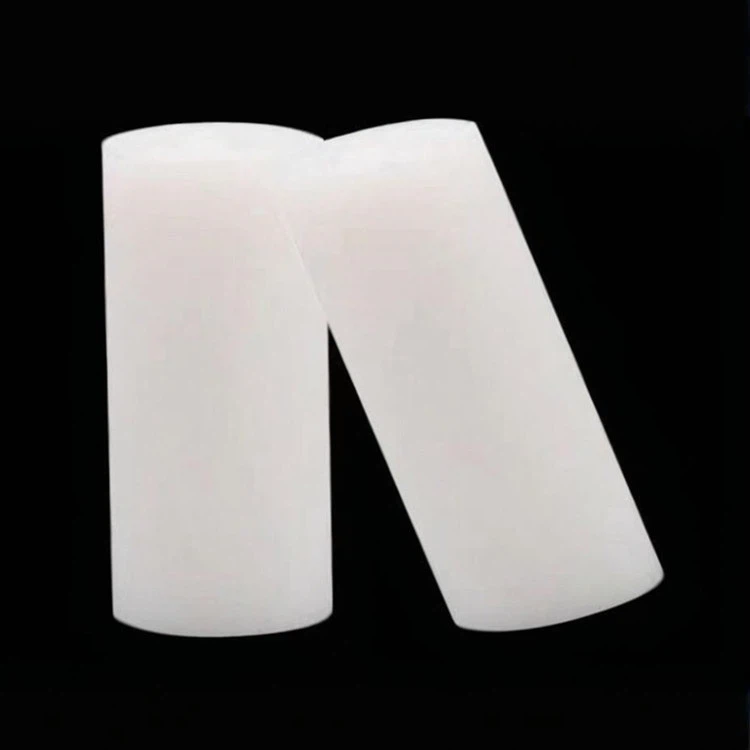

Poly bags are extremely versatile. You can use them to package single items or multiple items together. They're also great for protecting pp products from dust and light moisture. For example, if you're shipping PP Plastic Rod, a poly bag can keep it clean and free from scratches during transit.
One of the big advantages of poly bags is their flexibility. You can easily seal them with a heat sealer or a zip - lock closure. This makes it easy to open and close the package, which is convenient for both you and the customer.
On the downside, poly bags don't offer much protection against impacts or heavy handling. If your pp products are fragile or need more robust protection, you may need to combine poly bags with other packaging materials.
3. Corrugated Boxes
Corrugated boxes are a classic choice for packaging pp products, especially larger or heavier items. They're made of corrugated cardboard, which consists of a fluted layer sandwiched between two flat layers.
The main advantage of corrugated boxes is their strength and durability. They can withstand a fair amount of rough handling during shipping and storage. This is crucial for protecting pp products like PP Parts that may be damaged by impacts.
Corrugated boxes are also highly customizable. You can get them in different sizes, shapes, and colors. You can print your company logo, product details, and handling instructions directly on the box. This helps with branding and ensures that the customer knows how to handle the product properly.
However, corrugated boxes can be bulky and take up a lot of storage space. They're also not as waterproof as some other packaging materials, so you may need to add additional protection if your pp products are sensitive to moisture.
4. Foam Packaging
Foam packaging is ideal for protecting fragile pp products. There are different types of foam, such as expanded polystyrene (EPS) foam and polyurethane foam.
EPS foam is lightweight and has excellent cushioning properties. It can be molded into custom shapes to fit your pp products perfectly. For example, if you're packaging PP Centrifuge Tubes, you can use EPS foam inserts to keep the tubes secure and prevent them from breaking.
Polyurethane foam is a bit more expensive but offers even better shock absorption. It can conform to the shape of the product and provide a tight fit. This type of foam is often used for high - value or delicate pp products.
The downside of foam packaging is that it can be difficult to recycle. And it may not be the most environmentally friendly option.
5. Vacuum Packaging
Vacuum packaging is a unique method that involves removing the air from the package and sealing it. This creates a tight, air - free environment around the pp product.
One of the main benefits of vacuum packaging is that it can extend the shelf life of pp products. By removing the air, you reduce the risk of oxidation and spoilage. This is particularly useful for pp products that are sensitive to air or moisture.
Vacuum packaging also provides excellent protection against dust, insects, and other contaminants. It can make the product look more professional and high - end.
However, vacuum packaging requires special equipment, which can be expensive to purchase and maintain. And it may not be suitable for all pp products, especially those with irregular shapes.
Choosing the Right Packaging Method
When it comes to choosing the right packaging method for your pp products, there are several factors to consider.
Product Characteristics: The size, shape, weight, and fragility of your pp products are crucial. Fragile items like PP Centrifuge Tubes will need more cushioning and protection than sturdy PP Parts.
Shipping Requirements: If your pp products are going to be shipped long - distance or overseas, they'll need more robust packaging to withstand the rigors of transportation. You'll also need to consider the shipping method (e.g., air freight, sea freight) and any specific handling requirements.
Cost: Your budget is always a factor. You want to choose a packaging method that provides adequate protection without breaking the bank. Sometimes, a combination of different packaging materials can be the most cost - effective solution.
Environmental Impact: In today's world, more and more customers are concerned about the environmental impact of packaging. You may want to consider using eco - friendly packaging materials, such as biodegradable poly bags or recycled corrugated boxes.
Conclusion
As a supplier of pp products, choosing the right packaging method is essential. Whether you opt for blister packaging, poly bags, corrugated boxes, foam packaging, or vacuum packaging, each method has its own pros and cons. By considering the product characteristics, shipping requirements, cost, and environmental impact, you can find the perfect packaging solution for your pp products.
If you're interested in our pp products and want to discuss the best packaging options for your needs, don't hesitate to reach out. We're always happy to have a chat and help you find the right solutions.
References
- Packaging Machinery Manufacturers Institute. (2023). Packaging Basics: A Guide to Different Packaging Methods.
- Smith, J. (2022). The Impact of Packaging on Product Protection and Marketing. Journal of Packaging Science.
- Environmental Protection Agency. (2023). Sustainable Packaging Guidelines.