

Hey there! I'm a supplier of PP products, and I've seen firsthand how important it is to recycle these materials effectively. Polypropylene (PP) is a widely used plastic known for its durability, flexibility, and resistance to chemicals. It's found in everything from packaging and automotive parts to household items and medical devices. But with great versatility comes great responsibility, and that's where recycling comes in.
Why Recycle PP Products?
First off, let's talk about why recycling PP products is such a big deal. For starters, it helps reduce the amount of plastic waste that ends up in landfills and the environment. Plastic takes hundreds of years to break down, and when it does, it releases harmful chemicals into the soil and water. By recycling PP products, we can keep this plastic out of the ecosystem and give it a second life.
Secondly, recycling PP is an energy-efficient process. It takes less energy to recycle plastic than to produce new plastic from raw materials. This means that by recycling, we can conserve natural resources and reduce our carbon footprint.
Finally, recycling PP products can create economic opportunities. The recycled plastic can be used to make new products, which in turn can create jobs in the recycling and manufacturing industries.
How to Recycle PP Products Effectively
1. Collection
The first step in recycling PP products is collection. This can be done through curbside recycling programs, drop-off centers, or special collection events. As a supplier, I always encourage my customers to check with their local recycling facilities to see what types of PP products they accept. Some common PP products that can be recycled include food containers, yogurt cups, and detergent bottles.
2. Sorting
Once the PP products are collected, they need to be sorted. This is usually done at a recycling facility using a combination of manual and automated methods. The goal is to separate the PP plastic from other types of plastics and contaminants. Sorting is crucial because different types of plastics have different melting points and properties, and mixing them can affect the quality of the recycled material.
3. Cleaning
After sorting, the PP products need to be cleaned. This involves removing any labels, adhesives, and food residues. Cleaning is important because contaminants can affect the recycling process and the quality of the recycled plastic. At the recycling facility, the PP products are typically washed with water and detergents to remove these contaminants.
4. Shredding
Once the PP products are clean, they are shredded into small pieces. Shredding increases the surface area of the plastic, making it easier to melt and process. The shredded plastic is then usually melted and formed into pellets.
5. Reprocessing
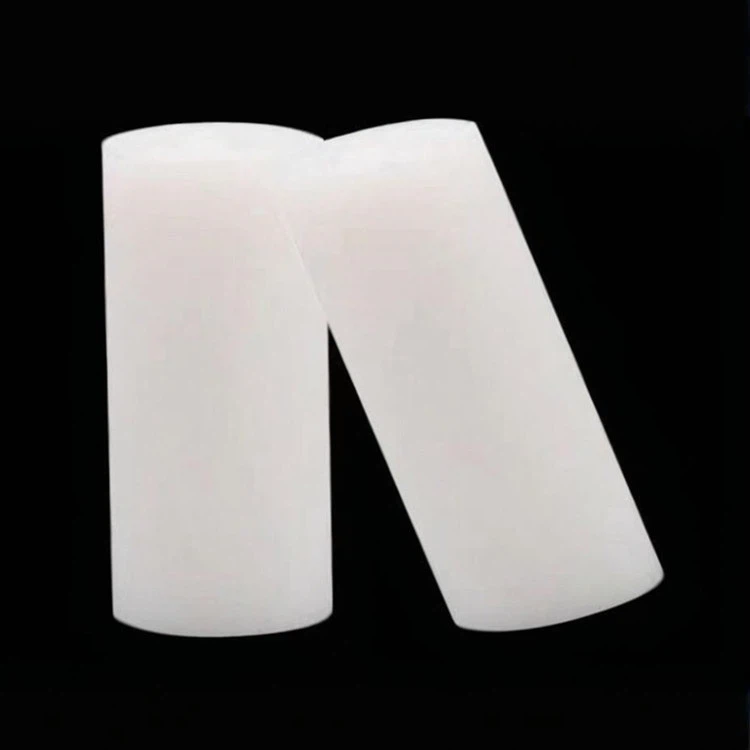
The pellets are then reprocessed into new products. This can involve extrusion, injection molding, or other manufacturing processes. The recycled PP can be used to make a wide range of products, including PP Plastic Rod, PP Parts, and PP Plastic Board.
Tips for Consumers
As a supplier, I also want to share some tips for consumers who want to recycle PP products effectively:
- Check the Recycling Symbol: Look for the recycling symbol with the number 5 inside, which indicates that the product is made of PP. Not all PP products are recyclable, so it's important to check with your local recycling facility.
- Rinse Before Recycling: Make sure to rinse out any food or liquid residues from the PP products before recycling them. This helps prevent contamination and makes the recycling process more efficient.
- Remove Labels and Caps: Remove any labels, caps, or other non - PP components from the products before recycling. These can interfere with the recycling process.
- Support Recycling Initiatives: Get involved in local recycling initiatives and encourage others to recycle. The more people recycle, the more effective the recycling process will be.
Challenges in PP Recycling
While recycling PP products is important, there are also some challenges. One of the main challenges is the low recycling rate. Many consumers are still not aware of the importance of recycling PP products, or they don't know how to recycle them properly. Another challenge is the presence of contaminants in the recycled plastic. Contaminants can reduce the quality of the recycled material and make it more difficult to use in new products.
As a supplier, I'm committed to working with my customers and the recycling industry to overcome these challenges. We need to educate consumers about the importance of recycling PP products and make the recycling process more accessible and efficient.
Contact for Procurement
If you're interested in purchasing high - quality PP products, whether it's for your manufacturing needs or other applications, I'd love to have a chat with you. Just reach out, and we can discuss your requirements in detail. We offer a wide range of PP products that are not only of great quality but also environmentally friendly.

References
- American Chemistry Council. (2023). Polypropylene Recycling.
- Environmental Protection Agency. (2023). Plastic Recycling Basics.
- Plastics Industry Association. (2023). Recycling of Polypropylene Plastics.