

Painting a 3mm PTFE (Polytetrafluoroethylene) tube can be a challenging yet rewarding task, especially when you're aiming for a specific aesthetic or functional outcome. As a supplier of 3mm PTFE Tube, I've encountered numerous inquiries regarding the best practices for painting these tubes. In this blog post, I'll share some valuable insights and step-by-step guidelines to help you achieve a successful paint job on your 3mm PTFE tubes.
Understanding PTFE and Its Properties
Before delving into the painting process, it's crucial to understand the unique properties of PTFE. PTFE is a synthetic fluoropolymer known for its exceptional chemical resistance, low friction coefficient, and high-temperature tolerance. These properties make it a popular choice in various industries, including aerospace, automotive, and medical. However, PTFE's non-stick nature also makes it difficult to paint directly. The smooth surface of PTFE prevents paint from adhering properly, leading to peeling and flaking over time.
Preparing the PTFE Tube
The key to a successful paint job on a 3mm PTFE tube lies in proper surface preparation. Here are the steps you need to follow:
Cleaning
Start by thoroughly cleaning the PTFE tube to remove any dirt, grease, or contaminants. You can use a mild detergent and warm water to clean the tube, followed by rinsing it with clean water and drying it completely. Avoid using abrasive cleaners or solvents that may damage the PTFE surface.
Surface Treatment
To improve paint adhesion, the PTFE surface needs to be treated to create a rougher texture. One common method is to use a chemical etching process. There are commercially available PTFE surface treatment solutions that can be applied to the tube according to the manufacturer's instructions. These solutions typically contain a mixture of chemicals that react with the PTFE surface to create micro-roughness, allowing the paint to bond more effectively.
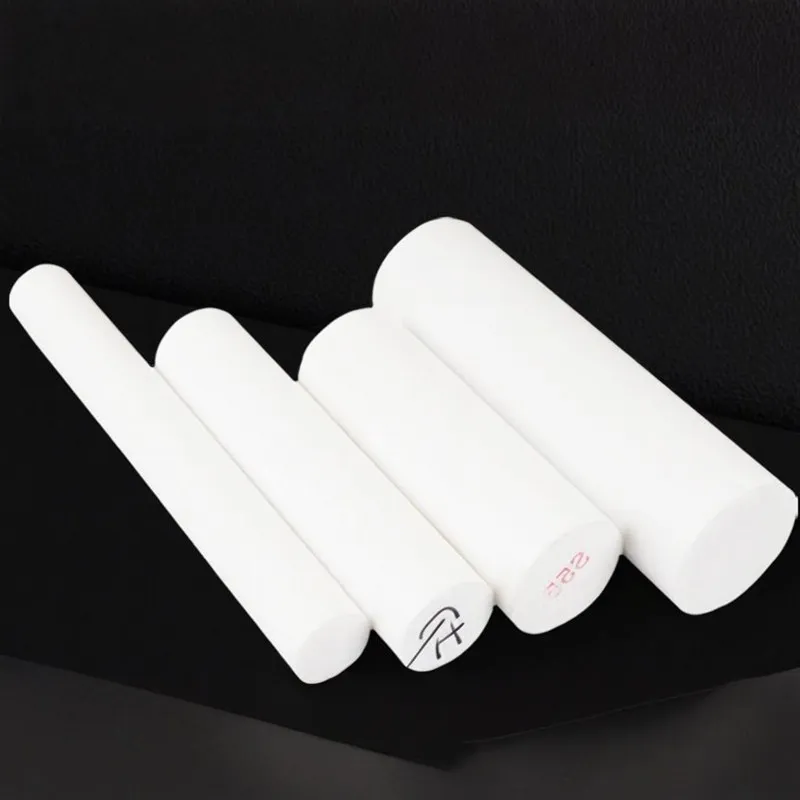

Another option is mechanical abrasion. You can use fine-grit sandpaper or a sandblasting technique to gently roughen the surface of the PTFE tube. However, be careful not to over-abrade the tube, as this can damage the PTFE material and affect its performance.
Priming
After surface treatment, it's essential to apply a primer specifically designed for PTFE. A primer acts as a bonding agent between the PTFE surface and the paint, improving adhesion and durability. Choose a primer that is compatible with both PTFE and the type of paint you plan to use. Apply the primer evenly to the PTFE tube using a brush, spray gun, or roller, following the manufacturer's recommended application method and drying time.
Choosing the Right Paint
Selecting the appropriate paint for your 3mm PTFE tube is crucial for achieving the desired results. Consider the following factors when choosing a paint:
Compatibility
Ensure that the paint is compatible with PTFE and the primer you've used. Some paints may not adhere well to PTFE or may react with the primer, leading to poor adhesion or other issues. Look for paints that are specifically formulated for use on PTFE or other fluoropolymers.
Durability
Depending on the intended application of the painted PTFE tube, you'll need to choose a paint that offers the required level of durability. For example, if the tube will be exposed to harsh chemicals or high temperatures, you'll need a paint that can withstand these conditions without peeling or deteriorating.
Color and Finish
Consider the color and finish you want to achieve for your PTFE tube. There are a wide range of paint colors and finishes available, including gloss, semi-gloss, and matte. Choose a color and finish that suits your aesthetic preferences and the requirements of your project.
Painting the PTFE Tube
Once you've prepared the PTFE tube and chosen the right paint, it's time to start painting. Here are the steps to follow:
Application Method
You can apply the paint to the 3mm PTFE tube using a brush, spray gun, or roller, depending on the size and shape of the tube and your personal preference. A spray gun is often the preferred method for achieving a smooth and even finish, especially on small-diameter tubes like 3mm PTFE tubes. However, if you're painting a short section of the tube or don't have access to a spray gun, a brush or roller can also be used.
Multiple Coats
To ensure good coverage and durability, it's usually necessary to apply multiple coats of paint. Allow each coat to dry completely before applying the next one, following the manufacturer's recommended drying time. Typically, two to three coats of paint are sufficient, but you may need to apply more coats depending on the color and finish you want to achieve.
Drying and Curing
After applying the final coat of paint, allow the PTFE tube to dry and cure thoroughly. The drying and curing time will depend on the type of paint you've used and the environmental conditions. In general, it's best to let the painted tube dry at room temperature for at least 24 hours before handling it or putting it into use. Some paints may require additional curing time or heat treatment to achieve maximum durability.
Quality Control and Inspection
Once the painted PTFE tube has dried and cured, it's important to perform a quality control inspection to ensure that the paint job meets your expectations. Check for any signs of peeling, flaking, or uneven coverage. If you notice any issues, you may need to sand the affected area and apply additional coats of paint or primer.
Applications of Painted 3mm PTFE Tubes
Painted 3mm PTFE tubes have a wide range of applications in various industries. Here are some examples:
Aerospace
In the aerospace industry, painted PTFE tubes can be used for wiring harnesses, fluid transfer systems, and other applications where color coding or visual identification is required. The paint can also provide additional protection against environmental factors such as UV radiation and chemical exposure.
Automotive
In the automotive industry, painted PTFE tubes can be used for fuel lines, brake lines, and other fluid transfer systems. The paint can help to improve the appearance of the tubes and provide additional protection against corrosion and wear.
Medical
In the medical industry, painted PTFE tubes can be used for catheters, tubing for medical devices, and other applications where color coding or visual identification is important. The paint can also provide a barrier against bacteria and other contaminants.
Conclusion
Painting a 3mm PTFE tube requires careful preparation, the right choice of materials, and proper application techniques. By following the steps outlined in this blog post, you can achieve a successful paint job on your PTFE tubes, improving their appearance and functionality. As a supplier of 3mm PTFE Tube, we also offer Machined PTFE Parts and Black PTFE Rod to meet your diverse needs. If you have any questions or need further assistance with painting your PTFE tubes or sourcing PTFE products, please don't hesitate to contact us. We're here to help you find the best solutions for your projects.
References
- "PTFE Surface Treatment and Painting," Journal of Fluoropolymer Science and Technology.
- "Guide to Painting PTFE Materials," Industrial Coating Magazine.
- Manufacturer's instructions for PTFE surface treatment solutions, primers, and paints.