

Hey there! I'm a supplier of Nylon PA66, and I've seen firsthand how storage conditions can mess with the properties of this awesome material. Nylon PA66 is super popular in all sorts of industries, from automotive to electronics, because it's strong, tough, and can handle a lot of wear and tear. But if you don't store it right, you can end up with some serious issues.
Let's start with temperature. Nylon PA66 is sensitive to heat. If you store it in a place that's too hot, say above 60°C (140°F), the material can start to degrade. The high temperature can cause the molecular chains in the nylon to break down, which weakens the material. You might notice that the Nylon PA66 becomes more brittle, and its mechanical properties like tensile strength and impact resistance take a nosedive. For example, in a hot warehouse during summer, if the Nylon PA66 isn't properly stored, it could lose up to 20% of its original strength over time.
On the flip side, cold temperatures can also be a problem. When Nylon PA66 gets really cold, below -20°C (-4°F), it becomes stiffer and more prone to cracking. The cold makes the material less flexible, and any sudden impact or stress can cause it to break. This is a big deal if you're using Nylon PA66 for parts that need to withstand some movement or shock, like Nylon Part.
Humidity is another major factor. Nylon PA66 is hygroscopic, which means it loves to absorb moisture from the air. If the storage area has high humidity, the Nylon PA66 will soak up the water like a sponge. This can lead to dimensional changes in the material. For instance, a Nylon Plastic Tube might expand slightly, which can be a real headache if it needs to fit precisely in a certain application.
Moreover, the absorbed moisture can also affect the mechanical properties of Nylon PA66. It can make the material softer and reduce its stiffness. In some cases, it can even cause a decrease in the material's chemical resistance. If you're using Nylon PA66 in a chemical - processing environment, this could be a disaster.
Light exposure is often overlooked, but it can also have an impact. Ultraviolet (UV) light from the sun or artificial sources can cause the Nylon PA66 to discolor and degrade. Over time, the surface of the material can become brittle and start to crack. This is especially important if you're using Nylon Plates that are exposed to sunlight or strong indoor lighting.
Now, let's talk about how to store Nylon PA66 properly. First of all, keep it in a cool, dry place. The ideal temperature range is between 20°C - 30°C (68°F - 86°F), and the relative humidity should be below 50%. You can use dehumidifiers in the storage area to control the humidity.
It's also a good idea to store Nylon PA66 in sealed containers or bags. This will protect it from moisture and dust. If possible, keep the material away from direct sunlight and other sources of UV light. You can use opaque storage containers or store the Nylon PA66 in a dark room.
Another thing to consider is the packaging. Make sure the Nylon PA66 is well - packaged when it's delivered to you. Good packaging can provide an extra layer of protection during storage and transportation.
Let's look at some real - world examples. A company that used Nylon PA66 for manufacturing gears stored the material in a damp basement. After a few months, they noticed that the gears were starting to wear out faster than usual. The absorbed moisture had made the Nylon PA66 softer, and the gears couldn't handle the stress of the machinery. Once they moved the Nylon PA66 to a proper storage area, the problem was solved.
As a Nylon PA66 supplier, I've seen many customers face these issues. That's why I always emphasize the importance of proper storage. If you're thinking about using Nylon PA66 for your project, make sure you have a good storage plan in place.

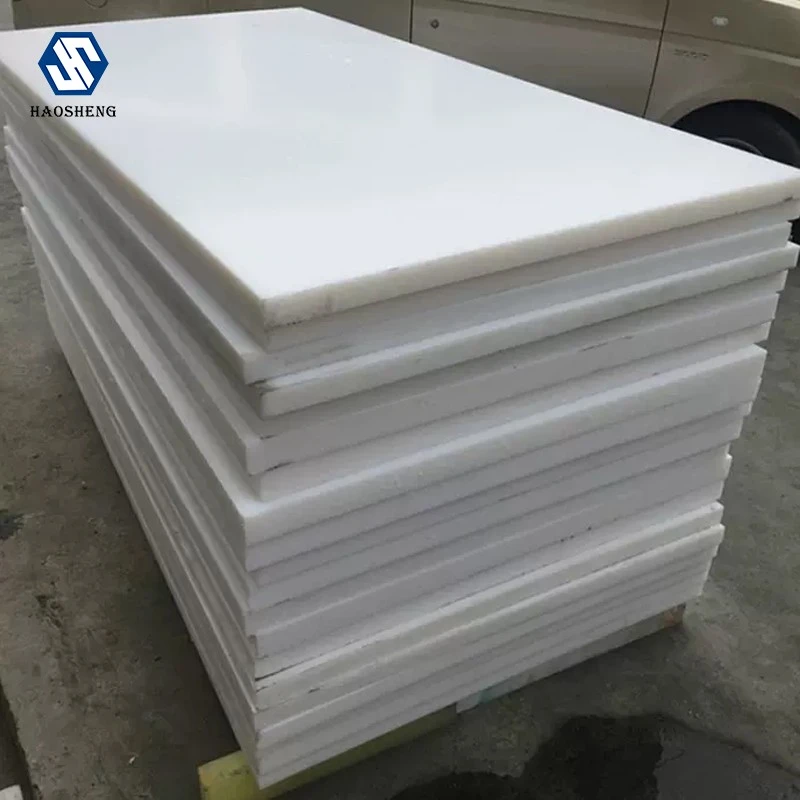
If you're interested in purchasing Nylon PA66, I'm here to help. I can provide you with high - quality Nylon PA66 that meets your specific requirements. Whether you need it for Nylon Plastic Tube, Nylon Part, or Nylon Plates, I've got you covered. Just reach out to me, and we can start discussing your needs and how to get the best out of this amazing material.
References:
- "Plastics Engineering Handbook of the Society of Plastics Engineers"
- "Polyamides: From Macro to Nanoscale"