

Hey there! I'm a supplier of nylon plates, and today I wanna chat about whether nylon plates have good sound - damping properties.
First off, let's understand what sound - damping is. Sound damping is all about reducing the noise and vibrations that are produced by various sources. When an object vibrates, it creates sound waves. These waves can travel through the air or other materials, and sometimes, we don't want that noise to spread around. That's where sound - damping materials come in.
So, what about nylon plates? Well, nylon is a synthetic polymer, and it has some interesting physical properties that can affect its sound - damping capabilities. Nylon has a certain degree of flexibility and elasticity. This means that when it's subjected to vibrations, it can absorb some of the energy from those vibrations instead of just passing them on.
Let's take a look at how nylon plates compare to other common materials in terms of sound damping. Metals, for example, are generally not great at damping sound. They're very rigid, and vibrations can easily travel through them. On the other hand, materials like rubber are well - known for their excellent sound - damping properties. Rubber is highly elastic and can absorb a large amount of vibrational energy.
Nylon plates fall somewhere in between. They're more rigid than rubber but still have enough flexibility to dampen some sound. The molecular structure of nylon plays a big role here. The long polymer chains in nylon can move and stretch when vibrations occur. This movement dissipates the energy of the vibrations, which in turn reduces the amount of sound that's transmitted.
In practical applications, nylon plates can be quite useful for sound damping. For instance, in machinery, where there are a lot of moving parts that generate noise and vibrations, nylon plates can be used as isolation pads. These pads can be placed between different components of the machine to reduce the transfer of vibrations and, consequently, the noise.
Another area where nylon plates can be beneficial is in automotive applications. Cars have a lot of mechanical parts that produce noise. Nylon plates can be used in engine mounts or other areas to dampen the vibrations and make the ride quieter.
Now, let's talk about the different types of nylon plates. There are Nylon Plateing, Nylon Plate Sheet, and Nylon Polyamide Sheet. Each type has its own unique properties that can affect its sound - damping performance.

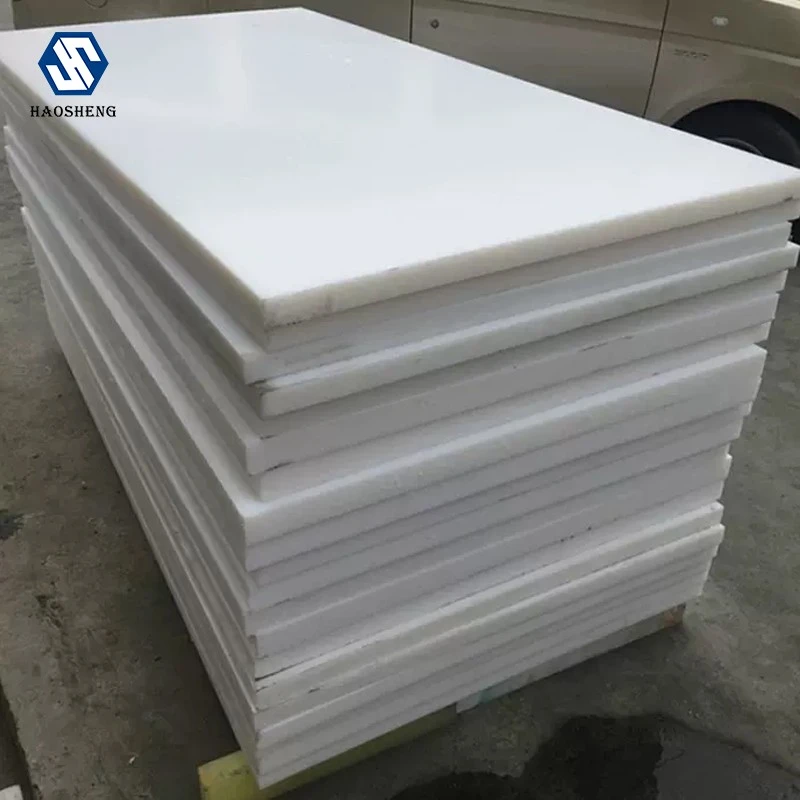
Nylon Plateing is often used for coating other materials. This coating can add a layer of sound - damping to the base material. The thin layer of nylon can absorb some of the vibrations that would otherwise be transmitted through the base material.
Nylon Plate Sheet is a more solid form of nylon. It can be cut and shaped to fit different applications. Depending on the thickness of the sheet, it can have different levels of sound - damping. Thicker sheets generally have better sound - damping capabilities because they can absorb more energy.
Nylon Polyamide Sheet is similar to Nylon Plate Sheet but may have different chemical compositions. Some polyamide sheets are formulated to have enhanced properties, including better sound - damping.
However, it's important to note that the sound - damping properties of nylon plates can be affected by several factors. Temperature is one of them. At higher temperatures, nylon can become softer and more flexible, which may increase its sound - damping ability. But if the temperature gets too high, the nylon may start to deform or lose its structural integrity.
The frequency of the vibrations also matters. Nylon plates may be more effective at damping certain frequencies than others. For low - frequency vibrations, nylon plates may not be as efficient as for high - frequency vibrations. This is because low - frequency vibrations have more energy and require more substantial damping materials.
In addition, the quality of the nylon used in the plates is crucial. High - quality nylon with a well - controlled molecular structure will generally have better sound - damping properties than lower - quality nylon.
So, do nylon plates have good sound - damping properties? The answer is yes, to a certain extent. They're not the best sound - damping materials out there, but they do offer a reasonable amount of damping in many applications. They're also relatively inexpensive and easy to work with, which makes them a popular choice for many industries.
If you're in the market for nylon plates for sound - damping purposes, I'd be more than happy to help. Whether you need Nylon Plateing, Nylon Plate Sheet, or Nylon Polyamide Sheet, I can provide you with high - quality products. Just reach out to me, and we can discuss your specific requirements and how nylon plates can best meet them.
Let's work together to find the perfect nylon plate solution for your sound - damping needs. Whether it's for a small DIY project or a large - scale industrial application, I'm here to assist you.
References
- "Polymer Science and Technology" by Morton M. Coleman and Charles P. Reed
- "Engineering Applications of Plastics" by Charles A. Harper