

Hey there! As a supplier of nylon plates, I often get asked this question: Can nylon plates be bonded to other materials? Well, the short answer is yes, but there's a lot more to it than that. In this blog, I'll dive deep into the topic, sharing the ins and outs of bonding nylon plates to different materials.
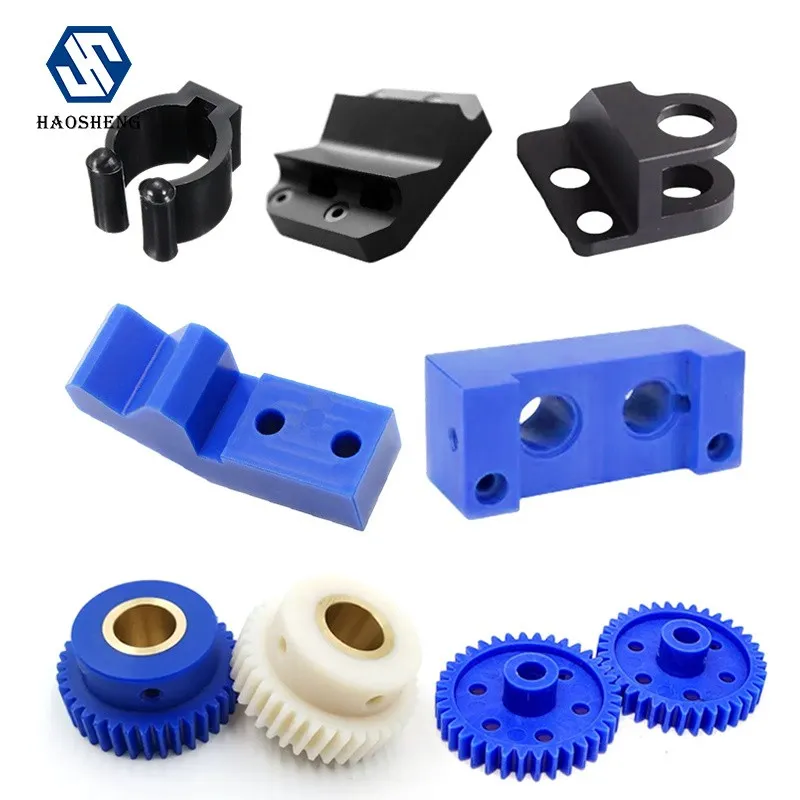
First off, let's talk about nylon. Nylon is a super versatile plastic material. It's strong, durable, and has good chemical resistance. These properties make nylon plates a popular choice in various industries, from automotive to electronics. And because of their widespread use, there's often a need to bond them to other materials to create more complex components.
Bonding Methods
There are several ways to bond nylon plates to other materials. The most common methods include adhesive bonding, mechanical fastening, and welding. Each method has its own pros and cons, and the choice depends on the specific application and the materials involved.
Adhesive Bonding
Adhesive bonding is probably the most popular method for bonding nylon plates. It's relatively easy to do and can provide a strong bond. There are different types of adhesives available, such as epoxy, cyanoacrylate, and polyurethane.
Epoxy adhesives are known for their high strength and good chemical resistance. They work well for bonding nylon to metals, plastics, and composites. Cyanoacrylate adhesives, also known as super glues, are fast - setting and can bond nylon to a variety of materials quickly. However, they may not be as strong as epoxy adhesives in some applications. Polyurethane adhesives are flexible and can withstand some movement, making them a good choice for applications where there's vibration or stress.

When using adhesives, it's important to prepare the surfaces properly. This usually involves cleaning the nylon plate and the other material to remove any dirt, oil, or grease. Sometimes, you may also need to roughen the surface slightly to improve the adhesion.
Mechanical Fastening
Mechanical fastening involves using screws, bolts, rivets, or clips to join the nylon plate to another material. This method is straightforward and can provide a reliable connection. It's especially useful when you need to disassemble the components later for maintenance or repair.
However, mechanical fastening has some drawbacks. The holes drilled in the nylon plate can weaken it, and there may be a risk of stress concentration around the fasteners. Also, if the fasteners are not tightened properly, the joint may loosen over time.
Welding
Welding is another option for bonding nylon plates, especially when bonding nylon to other thermoplastics. There are different welding techniques, such as ultrasonic welding, hot plate welding, and laser welding.
Ultrasonic welding uses high - frequency vibrations to generate heat at the joint interface, melting the nylon and fusing it to the other material. It's a fast and efficient method, but it requires specialized equipment. Hot plate welding involves heating a metal plate and pressing the nylon and the other material against it to melt the surfaces and form a bond. Laser welding uses a laser beam to heat and melt the materials at the joint. It offers precise control and can be used for small or complex joints.
Bonding Nylon Plates to Different Materials
Now, let's take a look at how nylon plates can be bonded to some common materials.
Bonding Nylon Plates to Metals
Bonding nylon to metals is a common requirement in many industries. Adhesive bonding is often the preferred method. As mentioned earlier, epoxy adhesives are a great choice. They can provide a strong bond between the nylon and the metal. Before applying the adhesive, the metal surface may need to be treated with a primer to improve adhesion.
Mechanical fastening can also be used, but as I said, it has its limitations. Welding is not usually an option when bonding nylon to metals because metals have much higher melting points than nylon.
Bonding Nylon Plates to Other Plastics
When bonding nylon plates to other plastics, the choice of method depends on the type of plastic. If the other plastic is also a thermoplastic, welding can be a good option. Ultrasonic welding, for example, can create a strong and seamless bond between nylon and other thermoplastics.

Adhesive bonding is also an option. You need to choose an adhesive that is compatible with both the nylon and the other plastic. Some adhesives are specifically designed for bonding different types of plastics together.
Bonding Nylon Plates to Composites
Composites are materials made up of two or more different substances, often a fiber - reinforced matrix. Bonding nylon plates to composites can be a bit tricky because composites have unique surface properties.
Adhesive bonding is usually the way to go. You need to select an adhesive that can bond well with both the nylon and the composite material. Surface preparation is crucial in this case. The composite surface may need to be sanded or treated with a coupling agent to improve adhesion.
Our Nylon Plate Products
As a nylon plate supplier, we offer a wide range of high - quality nylon plates. Our plates are made from top - grade nylon materials, ensuring excellent performance and durability. We also provide CNC Nylon Parts and Nylon Parts according to your specific requirements. If you need round bars, we have Nylon Round Bar in various sizes.
Whether you're looking to use our nylon plates in a simple bonding application or a more complex project, we're here to help. Our team of experts can provide you with technical support and advice on the best bonding methods for your needs.
Conclusion
In conclusion, nylon plates can definitely be bonded to other materials. The key is to choose the right bonding method based on the materials involved, the application requirements, and the desired strength of the bond. With proper surface preparation and the right adhesive or bonding technique, you can create strong and reliable joints between nylon plates and other materials.
If you're interested in our nylon plate products or need more information about bonding nylon plates, don't hesitate to reach out. We're always happy to discuss your needs and help you find the best solutions. Let's start a conversation and see how we can work together on your next project!
References
- "Plastic Materials and Processes: A Concise Encyclopedia" by Donald V. Rosato and Dominick V. Rosato
- "Adhesive Bonding: Science, Technology, and Applications" by S. J. Shaw and C. J. Peel