

PP plastic rods are widely used in various industries due to their excellent properties, such as high chemical resistance, good mechanical strength, and relatively low cost. However, one question that often arises is whether PP plastic rods are flammable. As a supplier of PP Plastic Rod, I will delve into this topic in detail to provide you with a comprehensive understanding.
The Nature of PP Plastic
PP, or polypropylene, is a thermoplastic polymer made from the monomer propylene. It belongs to the polyolefin family, which also includes polyethylene. PP has a relatively low melting point, typically around 160 - 170°C (320 - 338°F). This characteristic makes it easy to process through methods like injection molding, extrusion, and blow molding.
In terms of its chemical structure, PP consists of long chains of propylene units. These chains are non - polar, which gives PP its good chemical resistance. It can withstand exposure to many acids, bases, and organic solvents.
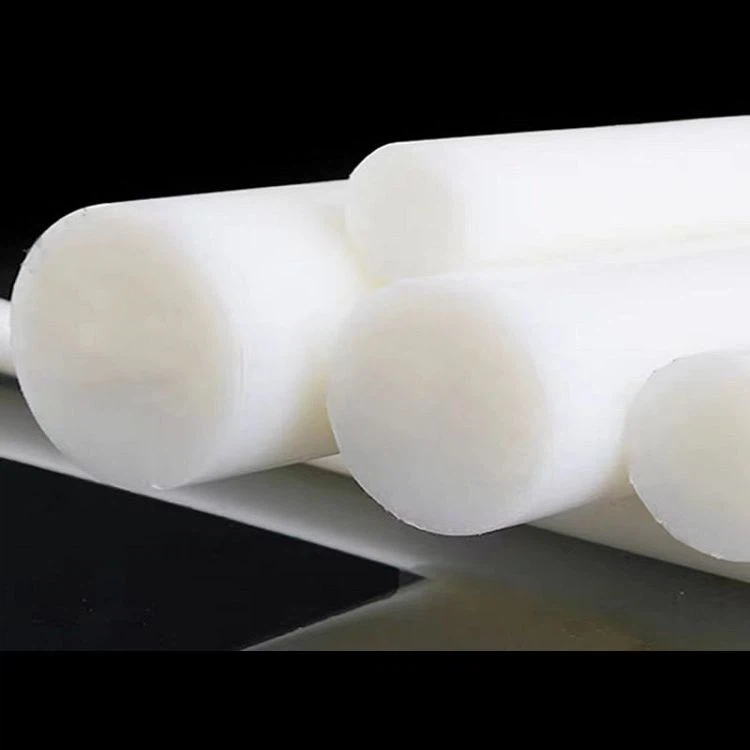

Flammability of PP Plastic Rods
PP plastic rods are indeed flammable. Polypropylene has a relatively low ignition temperature compared to some other engineering plastics. When exposed to an open flame or a heat source of sufficient intensity, PP plastic rods will start to melt and then burn.
The combustion of PP plastic involves a complex series of chemical reactions. When heated, the long - chain polymer molecules break down into smaller fragments. These fragments react with oxygen in the air, releasing heat, light, and various combustion products. The burning of PP typically produces a yellow - blue flame with a melting, dripping behavior. The dripping can spread the fire to other areas, increasing the risk of a larger conflagration.
The flammability of PP plastic rods can be classified according to international standards. For example, the UL 94 standard is widely used to evaluate the flammability of plastics. PP usually falls into the HB (Horizontal Burning) category in the UL 94 test. This means that when a specimen is placed horizontally and ignited, it burns at a rate less than a specified value, and the flame will self - extinguish before reaching a certain mark on the specimen.
Factors Affecting the Flammability of PP Plastic Rods
Several factors can influence the flammability of PP plastic rods:
- Additives: The addition of flame retardants can significantly reduce the flammability of PP plastic rods. Flame retardants work by various mechanisms, such as suppressing the chemical reactions during combustion, forming a protective layer on the surface of the plastic, or releasing non - flammable gases to dilute the oxygen in the vicinity of the flame. There are different types of flame retardants, including halogen - based, phosphorus - based, and inorganic flame retardants.
- Thickness: Thicker PP plastic rods may burn more slowly than thinner ones. This is because the heat transfer rate is lower in thicker materials, and it takes more time for the heat to penetrate through the entire cross - section and cause the plastic to burn.
- Environmental conditions: The presence of oxygen, temperature, and air flow can all affect the burning behavior of PP plastic rods. Higher oxygen concentrations and elevated temperatures will accelerate the combustion process, while good air flow can supply more oxygen to the flame and also remove the combustion products, promoting continuous burning.
Applications and Flammability Considerations
Despite their flammability, PP plastic rods are still used in a wide range of applications. In some industries, the risk of fire can be managed through proper design and safety measures.
- Industrial applications: In the chemical industry, PP plastic rods are used for making pipes, fittings, and storage tanks due to their chemical resistance. Since these applications are often in controlled environments, the risk of fire can be minimized by following strict safety protocols, such as avoiding open flames and ensuring proper ventilation.
- Consumer products: PP plastic rods are also used in the manufacturing of various consumer products, such as furniture parts, toys, and household items. In these cases, the use of flame - retarded PP can enhance the safety of the products. For example, in the production of children's toys, the use of flame - retardant PP can reduce the risk of fire in case of accidental ignition.
Comparison with Other Plastics
When comparing PP plastic rods with other plastics, their flammability characteristics are different. For example, PVC (Polyvinyl Chloride) has a higher resistance to ignition due to the presence of chlorine atoms in its structure. PVC releases hydrogen chloride gas when burned, which can act as a flame suppressant to some extent. On the other hand, ABS (Acrylonitrile Butadiene Styrene) is also flammable, but its burning behavior is different from that of PP. ABS tends to char more during combustion, while PP melts and drips.
Safety Precautions and Regulations
When using PP plastic rods, it is essential to follow safety precautions to prevent fires. These include:
- Storage: Store PP plastic rods in a cool, dry place away from heat sources and open flames.
- Handling: Avoid using sharp tools that can generate sparks when working with PP plastic rods.
- Installation: When installing PP plastic rods in a building or a structure, ensure that they are separated from potential ignition sources by appropriate fire - resistant barriers.
There are also various regulations and standards regarding the use of flammable plastics in different industries. For example, in the construction industry, building codes may specify the requirements for the flammability of materials used in different parts of a building.
Our Offerings as a PP Plastic Rod Supplier
As a supplier of PP Plastic Rod, we understand the importance of providing high - quality products that meet the specific needs of our customers. We offer a wide range of PP plastic rods with different diameters, lengths, and properties.
In addition to standard PP plastic rods, we also provide flame - retarded PP plastic rods for applications where fire safety is a concern. Our flame - retarded PP plastic rods are formulated with carefully selected flame retardants to ensure optimal performance and compliance with relevant standards.
We also supply other PP products, such as PP Parts and PP Centrifuge Tubes. Our team of experts can provide technical support and advice on the selection and use of our products to ensure that you get the best solution for your specific application.
Contact Us for Procurement
If you are interested in purchasing PP plastic rods or other PP products, we invite you to contact us for procurement discussions. Our dedicated sales team is ready to assist you with product selection, pricing, and delivery options. Whether you need a small quantity for a research project or a large - scale supply for an industrial application, we can meet your requirements.
References
- ASTM International. "ASTM Standards on Plastics." ASTM International, West Conshohocken, PA, USA.
- UL Standards. "UL 94 Standard for Tests for Flammability of Plastic Materials for Parts in Devices and Appliances." Underwriters Laboratories Inc., Northbrook, IL, USA.
- "Polypropylene: Properties, Processing, and Applications." Edited by J. Karger - Kocsis. Hanser Publishers, Munich, Germany.