

Nylon, a synthetic polymer known for its exceptional strength, durability, and versatility, has become a staple material in various industries. As a leading supplier of nylon parts, we understand the importance of offering a wide range of nylon types to meet the diverse needs of our customers. In this blog post, we will explore the different types of nylon commonly used in nylon parts, their unique properties, and their applications.
Nylon 6
Nylon 6, also known as polycaprolactam, is one of the most widely used types of nylon in the manufacturing of nylon parts. It is produced by the polymerization of caprolactam, a cyclic amide. Nylon 6 offers excellent mechanical properties, including high tensile strength, good impact resistance, and excellent wear resistance. It also has a relatively low coefficient of friction, making it suitable for applications where low friction is required, such as bearings and gears.
One of the key advantages of nylon 6 is its ability to absorb moisture. While this may seem like a drawback in some applications, it can actually be beneficial in others. The moisture absorption helps to reduce the coefficient of friction and improve the wear resistance of nylon 6 parts. However, it is important to note that excessive moisture absorption can lead to dimensional changes and reduced mechanical properties. Therefore, it is crucial to consider the environmental conditions and the specific requirements of the application when using nylon 6.
Nylon 6 is commonly used in a variety of industries, including automotive, electrical, and consumer goods. In the automotive industry, nylon 6 is used to manufacture engine components, such as intake manifolds, valve covers, and fuel rails. In the electrical industry, it is used for insulation, connectors, and switchgear. In the consumer goods industry, nylon 6 is used to make products such as zippers, fishing lines, and toothbrush bristles.
Nylon 6/6
Nylon 6/6, also known as polyhexamethylene adipamide, is another popular type of nylon used in nylon parts. It is produced by the condensation polymerization of hexamethylenediamine and adipic acid. Nylon 6/6 offers similar mechanical properties to nylon 6, but with higher melting point and better chemical resistance. It also has excellent fatigue resistance, making it suitable for applications that require repeated stress and strain.

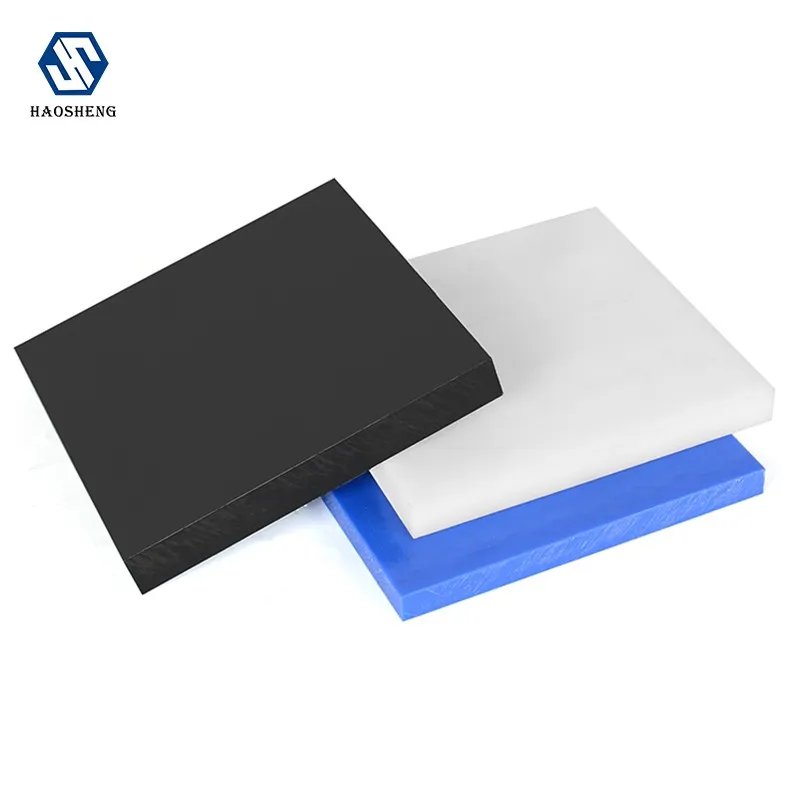
One of the main advantages of nylon 6/6 is its high strength and stiffness. It has a higher tensile strength and modulus of elasticity compared to nylon 6, making it ideal for applications that require high load-bearing capacity. Nylon 6/6 also has better heat resistance than nylon 6, allowing it to maintain its mechanical properties at elevated temperatures.
Nylon 6/6 is widely used in the automotive, aerospace, and industrial sectors. In the automotive industry, it is used to manufacture engine components, such as pistons, connecting rods, and transmission gears. In the aerospace industry, it is used for structural components, such as wing spars and fuselage frames. In the industrial sector, nylon 6/6 is used for conveyor belts, gears, and bearings.
Nylon 12
Nylon 12, also known as polylauryllactam, is a specialty nylon that offers unique properties and advantages. It is produced by the polymerization of laurolactam, a cyclic amide. Nylon 12 has a lower water absorption rate compared to nylon 6 and nylon 6/6, making it more dimensionally stable and less prone to swelling. It also has excellent chemical resistance, particularly to fuels and oils, making it suitable for applications in the automotive and aerospace industries.
One of the key features of nylon 12 is its flexibility and toughness. It has a lower modulus of elasticity compared to nylon 6 and nylon 6/6, making it more flexible and easier to process. Nylon 12 also has excellent impact resistance, making it suitable for applications that require high energy absorption, such as automotive bumpers and safety equipment.
Nylon 12 is commonly used in the automotive, aerospace, and medical industries. In the automotive industry, it is used to manufacture fuel lines, brake hoses, and air intake systems. In the aerospace industry, it is used for hydraulic lines, fuel tanks, and electrical insulation. In the medical industry, nylon 12 is used for catheters, surgical instruments, and prosthetics.
Nylon 4/6
Nylon 4/6, also known as polybutylene adipamide, is a high-performance nylon that offers exceptional mechanical properties and heat resistance. It is produced by the condensation polymerization of 1,4-butanediamine and adipic acid. Nylon 4/6 has a higher melting point and better dimensional stability compared to nylon 6 and nylon 6/6, making it suitable for applications that require high-temperature resistance and precise dimensional control.
One of the main advantages of nylon 4/6 is its high strength and stiffness at elevated temperatures. It has a higher tensile strength and modulus of elasticity compared to nylon 6 and nylon 6/6, even at temperatures up to 150°C. Nylon 4/6 also has excellent fatigue resistance, making it ideal for applications that require repeated stress and strain at high temperatures.
Nylon 4/6 is commonly used in the automotive, electrical, and industrial sectors. In the automotive industry, it is used to manufacture engine components, such as turbocharger housings, exhaust gas recirculation valves, and fuel injection systems. In the electrical industry, it is used for high-temperature insulation, connectors, and switchgear. In the industrial sector, nylon 4/6 is used for gears, bearings, and conveyor belts.
Other Types of Nylon
In addition to the above-mentioned types of nylon, there are several other specialty nylons that are used in specific applications. These include nylon 6/10, nylon 6/12, and nylon 11.
Nylon 6/10 is a copolymer of hexamethylenediamine and sebacic acid. It offers similar properties to nylon 6/6, but with lower water absorption and better chemical resistance. Nylon 6/10 is commonly used in applications that require good dimensional stability and resistance to chemicals, such as automotive fuel systems and industrial valves.
Nylon 6/12 is a copolymer of hexamethylenediamine and dodecanedioic acid. It has a lower water absorption rate and better flexibility compared to nylon 6/6. Nylon 6/12 is commonly used in applications that require good flexibility and resistance to moisture, such as automotive wiring harnesses and consumer goods.
Nylon 11 is a polyamide made from castor oil. It has excellent chemical resistance, particularly to fuels and oils, and good flexibility. Nylon 11 is commonly used in applications that require resistance to chemicals and flexibility, such as automotive fuel lines and hydraulic hoses.
Conclusion
As a supplier of nylon parts, we offer a wide range of nylon types to meet the diverse needs of our customers. Each type of nylon has its own unique properties and advantages, making it suitable for different applications. By understanding the specific requirements of the application and choosing the right type of nylon, our customers can ensure the optimal performance and durability of their nylon parts.
If you are interested in learning more about our nylon parts or have specific requirements for your application, please feel free to contact us. Our team of experts will be happy to assist you in selecting the right type of nylon and providing you with a customized solution.
References
- "Nylon: Properties, Processing, and Applications." Handbook of Thermoplastics, edited by O. Olabisi, Marcel Dekker, 1997.
- "Engineering Plastics: Properties and Applications." ASM Handbook, Volume 21, ASM International, 2001.
- "Polyamides (Nylons)." Encyclopedia of Polymer Science and Technology, edited by H. F. Mark, John Wiley & Sons, 2003.