

As a supplier of PP (Polypropylene) products, I've witnessed firsthand the numerous advantages that these materials bring to various industries. In this blog post, I'll delve into the key benefits of PP products and explain why they are a top choice for many applications.
1. Excellent Chemical Resistance
One of the most significant advantages of PP products is their outstanding chemical resistance. PP can withstand exposure to a wide range of chemicals, including acids, alkalis, and solvents. This makes it an ideal material for use in chemical processing plants, laboratories, and other environments where contact with corrosive substances is common. For example, PP Parts used in chemical storage tanks can resist the corrosive effects of strong acids and bases, ensuring long - term durability and safety.
In addition, the chemical resistance of PP also makes it suitable for food packaging. It can protect food from contamination by chemicals and maintain the quality and freshness of the products. PP containers are widely used for storing various food items, such as yogurt, margarine, and ready - to - eat meals.
2. High Strength - to - Weight Ratio
PP products have a remarkable strength - to - weight ratio. Despite being relatively lightweight, they offer high tensile strength and impact resistance. This property makes PP an attractive option for applications where weight reduction is crucial, such as in the automotive and aerospace industries.
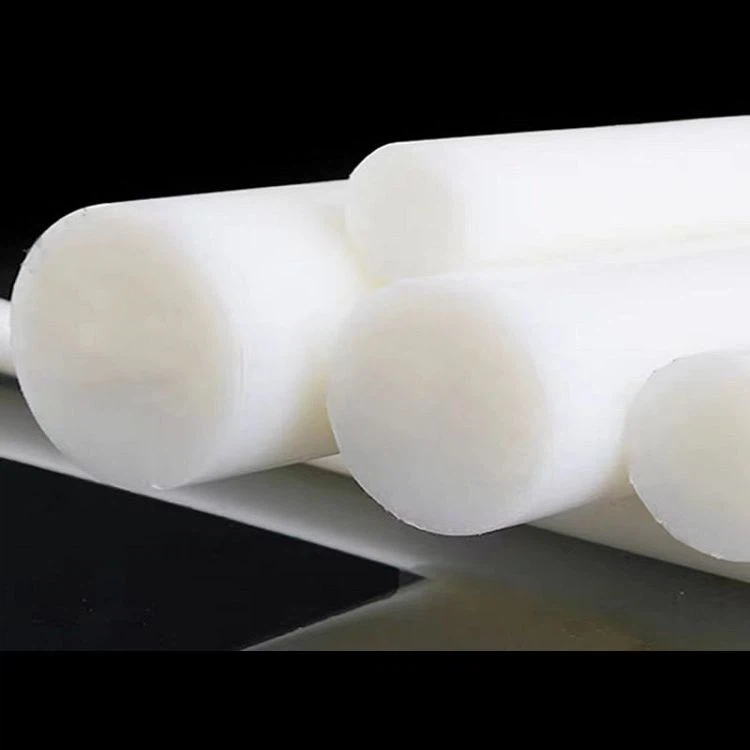
In the automotive sector, PP is used to manufacture various components, including interior trim parts, bumpers, and engine covers. The lightweight nature of PP helps to improve fuel efficiency, while its strength ensures that these parts can withstand the rigors of daily use. Similarly, in the aerospace industry, PP Plastic Rod and other PP products are used to reduce the overall weight of aircraft, which in turn leads to lower fuel consumption and increased payload capacity.
3. Good Thermal Properties
PP has good thermal properties, with a relatively high melting point (around 160 - 170°C) and low heat conductivity. This makes it suitable for applications where heat resistance is required. For instance, in the manufacturing of electrical appliances, PP can be used to make components that are exposed to high temperatures, such as the housings of heaters and hair dryers.
Moreover, the low heat conductivity of PP also makes it an effective insulator. It can be used in building insulation materials to reduce heat transfer and improve energy efficiency. PP Plastic Board can be installed in walls, floors, and roofs to provide thermal insulation, thereby reducing the energy consumption of buildings.
4. Easy Processing
PP is a highly processable material. It can be easily molded into various shapes and sizes using different manufacturing techniques, such as injection molding, blow molding, and extrusion. Injection molding is a popular method for producing complex and precise PP parts, such as plastic gears and electronic components. Blow molding is commonly used to manufacture hollow PP products, like bottles and containers. Extrusion is used to create continuous profiles, such as pipes and rods.
The ease of processing not only allows for the production of a wide variety of PP products but also reduces manufacturing costs. Shorter production cycles and lower tooling costs make PP an economical choice for large - scale production.
5. Cost - Effectiveness
PP is a cost - effective material compared to many other plastics and metals. Its raw material cost is relatively low, and the ease of processing further reduces the overall production cost. This makes PP products an affordable option for businesses across different industries.
For small and medium - sized enterprises, using PP products can help to reduce production costs without sacrificing quality. In addition, the long - term durability of PP means that replacement costs are also low, providing a cost - effective solution in the long run.
6. Environmental Friendliness
PP is a relatively environmentally friendly material. It is recyclable, which means that it can be reused to produce new products. Recycling PP helps to reduce the amount of plastic waste in landfills and conserve natural resources. Many manufacturers are now focusing on producing recycled PP products to meet the growing demand for sustainable materials.
Furthermore, PP has a lower carbon footprint compared to some other plastics. The production process of PP consumes less energy and generates fewer greenhouse gas emissions, making it a more sustainable choice for environmentally conscious consumers and businesses.
7. Versatility
PP products are incredibly versatile and can be used in a wide range of industries and applications. In addition to the industries mentioned above, PP is also used in the furniture industry to make chairs, tables, and other furniture components. Its resistance to moisture and wear makes it suitable for outdoor furniture.
In the medical industry, PP is used to manufacture disposable medical devices, such as syringes, pipettes, and test tubes. Its biocompatibility and ease of sterilization make it a safe and reliable material for medical applications.

8. Aesthetic Appeal
PP products can be easily colored and finished to achieve a wide range of aesthetic effects. They can be made to look shiny, matte, or have a textured surface. This makes PP a popular choice for consumer products where appearance is important, such as home appliances, toys, and consumer electronics.
The ability to customize the appearance of PP products allows manufacturers to create unique and attractive designs that appeal to consumers. Whether it's a bright - colored toy or a sleek - looking smartphone case, PP can be tailored to meet the aesthetic requirements of different products.
In conclusion, the advantages of PP products are numerous and far - reaching. From their excellent chemical resistance and high strength - to - weight ratio to their cost - effectiveness and environmental friendliness, PP products offer a compelling solution for a wide range of industries. As a supplier of PP products, I'm proud to offer high - quality materials that meet the diverse needs of our customers.
If you're interested in learning more about our PP products or would like to discuss a potential procurement, please feel free to reach out. We're always ready to provide you with detailed information and work with you to find the best PP solutions for your specific requirements.
References
- "Polypropylene: Properties, Processing, and Applications" by X. Guo and J. Li
- "Handbook of Polymer Science and Technology" edited by H. Mark and N. Bikales