

Polypropylene (PP) products have gained significant popularity across various industries due to their versatility, durability, and cost - effectiveness. As a PP products supplier, I understand the importance of maintaining the appearance of these items to ensure their long - term use and aesthetic appeal. In this blog, I'll share some effective strategies on how to maintain the appearance of PP products.
Understanding the Properties of PP Products
Before delving into maintenance methods, it's essential to understand the basic characteristics of PP products. PP is a thermoplastic polymer known for its excellent chemical resistance, flexibility, and impact strength. However, it can be affected by factors such as UV exposure, high temperatures, and chemical interactions.
Storage Conditions
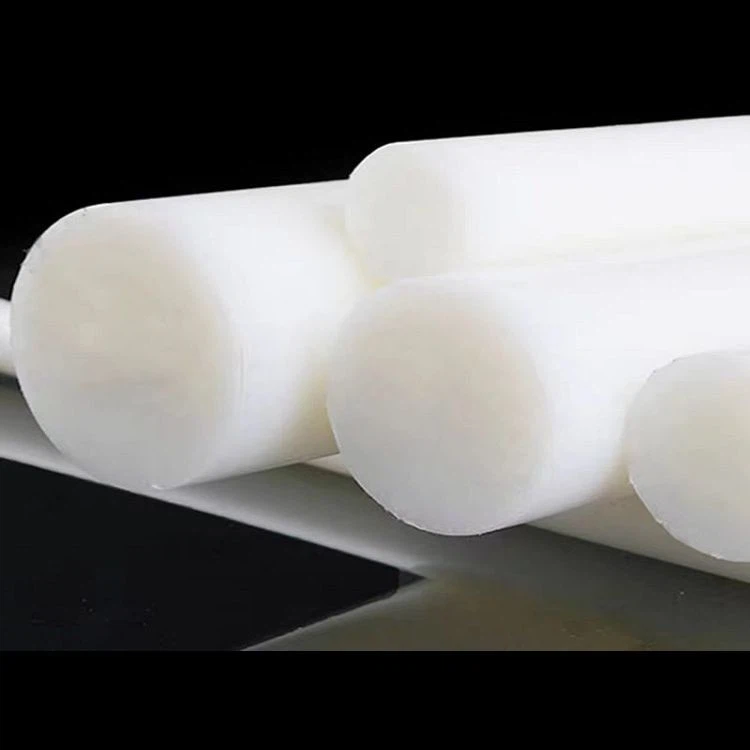
One of the primary steps in maintaining the appearance of PP products is proper storage. Since PP is sensitive to UV light, it should be stored in a cool, dark place away from direct sunlight. Prolonged exposure to UV rays can cause the PP to become brittle, fade, and lose its luster. For example, PP Parts and PP Plastic Rod should be stored in opaque containers or in areas with minimal light penetration.
Temperature also plays a crucial role in storage. PP products should be kept at a moderate temperature, preferably between 0°C and 40°C. High temperatures can cause the PP to warp or deform, altering its shape and appearance. Conversely, extremely low temperatures can make the material more brittle.
Cleaning Procedures
Regular cleaning is vital for preserving the appearance of PP products. For general cleaning, use a mild soap or detergent and warm water. Avoid using abrasive cleaners or scrubbers, as they can scratch the surface of the PP, making it look dull and worn.
When cleaning PP Plastic Board, start by wiping the surface with a soft, damp cloth to remove loose dirt and dust. Then, apply the soapy water and gently scrub the board using a non - abrasive sponge. Rinse thoroughly with clean water and dry with a soft towel.
For PP Centrifuge Tubes, which are often used in laboratory settings, it's important to follow specific cleaning protocols. After each use, rinse the tubes with deionized water to remove any residual chemicals or samples. Then, soak them in a cleaning solution recommended for PP materials. Rinse again and allow them to air - dry in a clean environment.
Avoiding Chemical Exposure
PP has good chemical resistance, but certain chemicals can still damage its appearance. Avoid contact with strong solvents, such as acetone, benzene, and chloroform, as they can dissolve or swell the PP. If the PP product comes into contact with a chemical, immediately rinse it with a large amount of water.
In industrial settings, where PP products may be exposed to various chemicals, it's advisable to use protective coatings or barriers. These can help prevent chemical damage and maintain the product's appearance over time.
Handling with Care
Proper handling is also crucial for maintaining the appearance of PP products. When moving or transporting items like PP Parts and PP Plastic Rod, use appropriate tools and equipment to avoid scratches and dents.
Avoid dropping or subjecting PP products to heavy impacts, as this can cause cracks or fractures in the material. When stacking PP products, ensure that they are properly supported to prevent deformation.
Maintenance for Outdoor PP Products
If you have PP products that are used outdoors, such as outdoor furniture made from PP, additional maintenance steps are required. In addition to protecting them from UV light, these products need to be cleaned more frequently due to exposure to dirt, dust, and environmental pollutants.
Apply a UV - resistant coating to outdoor PP products to enhance their resistance to sunlight. This can help prevent fading and discoloration. Regularly inspect the products for any signs of damage, such as cracks or loose parts, and repair them promptly.

Inspection and Monitoring
Regularly inspecting PP products is an important part of maintenance. Check for any signs of wear, such as scratches, discoloration, or deformation. Early detection of issues can allow for timely repairs or replacements, preventing further deterioration of the product's appearance.
Keep a maintenance log for each PP product. Record details such as cleaning dates, any chemical exposures, and signs of damage. This log can help you track the product's condition over time and make informed decisions about maintenance and replacement.
Conclusion
Maintaining the appearance of PP products is essential for their long - term use and aesthetic value. By following the strategies outlined in this blog, including proper storage, regular cleaning, avoiding chemical exposure, careful handling, and regular inspection, you can ensure that your PP products remain in excellent condition.
As a reliable PP products supplier, we are committed to providing high - quality products and sharing valuable knowledge about their maintenance. Whether you are looking for PP Parts, PP Plastic Board, PP Centrifuge Tubes, or PP Plastic Rod, we have a wide range of options to meet your needs.
If you are interested in purchasing our PP products or have any questions about product maintenance, please feel free to reach out to us for a detailed discussion. We look forward to working with you to provide the best - suited solutions for your projects.
References
- Flavis, P., & Associates. (2018). Polypropylene and Its Composites: Performance, Processing and Applications. William Andrew.
- Rosen, S. L., & Kandarpa, K. C. (2012). Fundamental Principles of Polymeric Materials. Wiley.
- Modern Plastics Encyclopedia. (Updated annually). McGraw - Hill.