

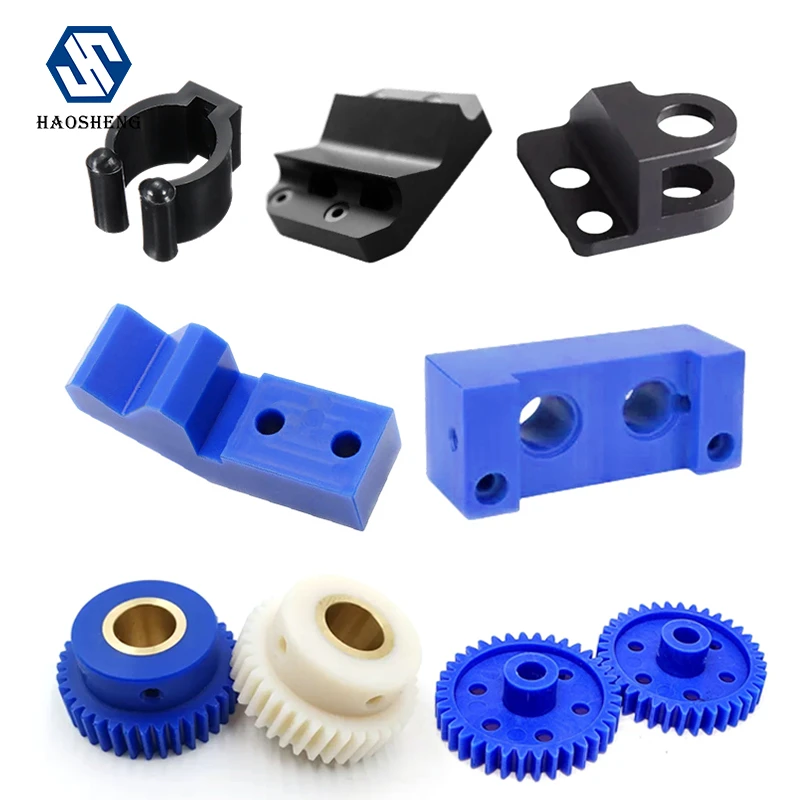
When it comes to working with nylon parts, one of the most crucial aspects is knowing how to join them together effectively. As a trusted supplier of a wide range of nylon products, including Nylon Plates, CNC Nylon Parts, and Nylon Polyamide Sheet, I understand the importance of providing comprehensive guidance on this topic. In this blog post, I'll share various methods for joining nylon parts, their pros and cons, and some best practices to ensure a strong and durable connection.
Adhesive Bonding
Adhesive bonding is a popular method for joining nylon parts, offering a relatively simple and cost - effective solution. There are several types of adhesives that can be used with nylon, each with its own characteristics.
Epoxy Adhesives
Epoxy adhesives are known for their high strength and excellent chemical resistance. They work well with nylon because they can form a strong bond that can withstand significant stress. To use epoxy adhesives, you first need to clean the surfaces of the nylon parts thoroughly to remove any dirt, grease, or contaminants. Then, mix the epoxy resin and hardener according to the manufacturer's instructions. Apply the adhesive evenly on one of the surfaces, press the two parts together firmly, and hold them in place until the adhesive cures.
One of the advantages of epoxy adhesives is their ability to fill gaps between the parts, which can be useful if the parts don't fit perfectly. However, they usually have a relatively long curing time, and the mixing process needs to be precise to ensure proper bonding.
Cyanoacrylate Adhesives
Also known as super glue, cyanoacrylate adhesives are fast - curing and can provide a strong bond quickly. They are easy to use; simply apply a small amount of the adhesive to one of the surfaces and press the parts together. The adhesive cures rapidly upon contact with moisture in the air.
The main benefit of cyanoacrylate adhesives is their speed. They can be a great choice when you need to join nylon parts in a short amount of time. However, they may not be as strong as epoxy adhesives in high - stress applications, and they are more brittle, which means they may crack under certain conditions.
Welding
Welding nylon parts is another effective way to join them, creating a strong and permanent bond. There are a few different welding techniques available for nylon.
Hot Plate Welding
In hot plate welding, a heated plate is used to melt the surfaces of the nylon parts. Once the surfaces are melted, the plate is removed, and the two parts are pressed together. The molten nylon then fuses as it cools, forming a solid joint.
This method is suitable for joining large nylon parts or parts with complex shapes. It can provide a very strong bond, similar to the strength of the original nylon material. However, it requires specialized equipment, and the process can be time - consuming, especially when dealing with thick parts.
Ultrasonic Welding
Ultrasonic welding uses high - frequency ultrasonic vibrations to generate heat at the joint interface. The heat melts the nylon, and when the vibrations stop, the parts are pressed together to form a bond.
Ultrasonic welding is a fast and efficient method, making it ideal for mass production. It can also be used for joining small and delicate nylon parts. However, it requires precise alignment of the parts, and the equipment can be expensive.
Mechanical Fastening
Mechanical fastening involves using screws, bolts, nuts, or rivets to join nylon parts. This method is straightforward and allows for easy disassembly if needed.
Screws and Bolts
When using screws and bolts to join nylon parts, it's important to choose the right size and type. Nylon is a relatively soft material, so self - tapping screws can be a good option as they can create their own threads in the nylon. Make sure to pre - drill holes in the nylon parts to prevent cracking.
The advantage of using screws and bolts is that they provide a strong and adjustable connection. You can easily tighten or loosen them as required. However, the holes drilled in the nylon parts can weaken the material to some extent, and there is a risk of the screws or bolts coming loose over time.
Rivets
Rivets are another option for mechanical fastening. They are inserted through holes in the nylon parts and then deformed to hold the parts together. Rivets can provide a permanent and reliable connection, especially for thin nylon parts.
The main drawback of rivets is that they are difficult to remove once installed, so they are not suitable for applications where disassembly is required.

Best Practices for Joining Nylon Parts
Regardless of the joining method you choose, there are some best practices that can help ensure a successful joint.
- Surface Preparation: Always clean the surfaces of the nylon parts before joining. This can be done using a mild detergent and water, followed by a thorough rinse and drying. For some methods, such as adhesive bonding, you may also need to roughen the surface slightly to improve adhesion.
- Alignment: Proper alignment of the parts is crucial, especially for welding and mechanical fastening. Use fixtures or jigs to hold the parts in place during the joining process to ensure accurate alignment.
- Testing: Before using the joined nylon parts in a real - world application, it's a good idea to perform some tests. For example, you can apply a small amount of stress to the joint to check its strength. If possible, test the joint under conditions similar to the actual operating environment.
Conclusion
Joining nylon parts requires careful consideration of the specific requirements of your project, such as the strength needed, the size and shape of the parts, and whether disassembly may be required. As a supplier of high - quality nylon products, I'm committed to providing you with the best materials and guidance to help you achieve successful joints.
If you're interested in purchasing our Nylon Plates, CNC Nylon Parts, or Nylon Polyamide Sheet for your projects, or if you have any questions about joining nylon parts, please feel free to contact us for further discussion and procurement negotiation. We look forward to working with you to meet your nylon part needs.
References
- "Plastics Joining Handbook" by K. L. DeVries
- "Engineering Plastics: Properties and Applications" by Charles A. Harper