

As a supplier of PP Plastic Rods, I often get asked a bunch of questions from customers. One question that pops up quite a bit is, "Can PP plastic rods be painted?" Well, let's dive into this topic and find out.
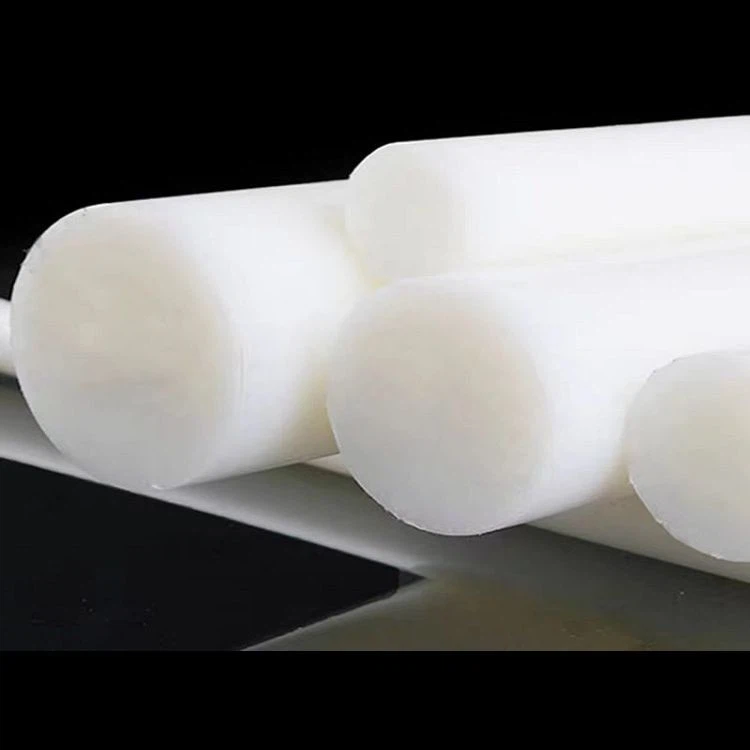
First off, let's talk a bit about what PP plastic rods are. PP, or polypropylene, is a thermoplastic polymer that's widely used in various industries. It's known for its high chemical resistance, good fatigue resistance, and relatively low cost. PP Plastic Rods, available at PP Plastic Rod, are used in a range of applications, from industrial machinery parts to DIY projects.
Now, onto the big question: Can you paint PP plastic rods? The short answer is yes, but it's not as straightforward as painting other materials like wood or metal. PP plastic has a low surface energy, which means paint doesn't stick to it easily. Its smooth and non - porous surface makes it difficult for paint to adhere properly.
So, if you want to paint PP plastic rods, you'll need to take some extra steps. The first step is surface preparation. You can't just slap paint on the rod and expect it to stay. You need to clean the rod thoroughly to remove any dirt, grease, or oils. You can use a mild detergent and warm water to clean it, then rinse it well and let it dry completely.

After cleaning, the next step is to roughen the surface. This can be done by sanding the PP plastic rod with fine - grit sandpaper. Sanding creates tiny scratches on the surface, which gives the paint something to grip onto. Make sure to sand evenly across the entire surface of the rod.
Another important step is to use a primer. A primer is a special type of paint that's designed to improve the adhesion of the topcoat. There are primers specifically formulated for use on plastic, and you should look for one that's suitable for PP plastic. Apply the primer according to the manufacturer's instructions, usually in thin, even coats. Let the primer dry completely before applying the topcoat.
When it comes to choosing the paint, not all paints are created equal. You'll want to use a paint that's compatible with PP plastic. Acrylic paints are often a good choice because they are flexible, durable, and have good adhesion properties. You can find acrylic paints in a wide range of colors, so you can choose the one that suits your needs.
Once you've prepared the surface, applied the primer, and chosen the right paint, it's time to paint the rod. Apply the paint in thin, even coats, allowing each coat to dry completely before applying the next one. Multiple thin coats are better than one thick coat, as thick coats are more likely to drip, run, or not dry properly.
Now, let's talk about the benefits of painting PP plastic rods. Painting can enhance the appearance of the rods. If you're using the rods in a decorative application, like in a piece of furniture or a display, a fresh coat of paint can make them look more attractive. It can also provide an extra layer of protection. The paint can help protect the rod from scratches, abrasions, and environmental factors like UV rays.
However, there are also some limitations. The paint job may not be as long - lasting as it would be on other materials. Over time, the paint may start to chip or peel, especially if the rod is exposed to harsh conditions or frequent handling. Also, the process of painting PP plastic rods can be time - consuming and requires some skill.
In addition to PP Plastic Rods, we also supply other PP products like PP Parts and PP Plastic Board. These products also have their own unique properties and can be used in different applications.
If you're thinking about painting PP plastic rods for your project, I hope this information has been helpful. Whether you're a DIY enthusiast or a professional in an industry that uses PP plastic products, understanding how to paint these rods can open up new possibilities for your projects.
If you're interested in purchasing our PP Plastic Rods or any of our other PP products, we'd love to have a chat with you. We can provide you with more information about our products, help you choose the right ones for your needs, and answer any other questions you may have. Just reach out to us, and let's start the conversation.
References
- "Polypropylene: Properties, Processing, and Applications" - A comprehensive guide on polypropylene materials
- Paint manufacturers' product manuals for information on paint compatibility with PP plastic